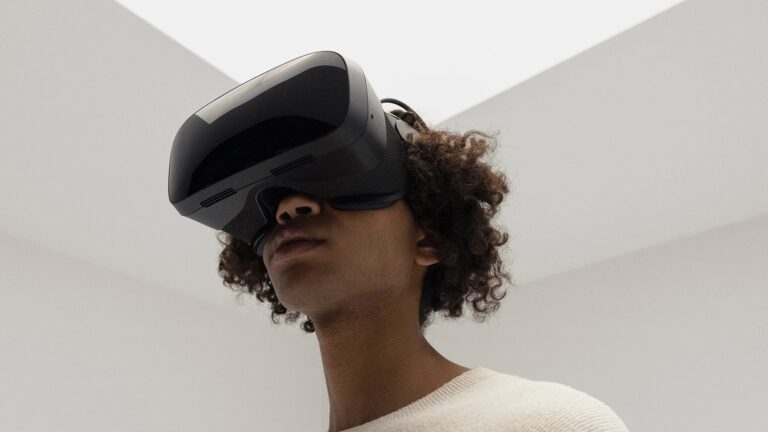
Playing Microsoft Flight Simulator in VR hits different; if you are a gamer, then you know what I’m talking about. Microsoft Flight Simulator 2024 has a cockpit that has pin-sharp instruments, while the world outside should look like the real world, and to see that is better than VR headsets .
However, in 2026, choosing the right headset needs good knowledge about the VR technology, the users’ needs, and, most importantly, pricing.
Don’t want to miss the best from TechLatest ? Set us as a preferred source in Google Search and make sure you never miss our latest.
So, to make your job easier, we have created a list of the best options across categories like visual clarity, all-rounder, ultra-wide immersion, budget/entry, and plug-and-play. So, let’s get started with the guide.
Content Table
Best Visual Clarity for Cockpit & Scenery
1) Pimax Crystal Super
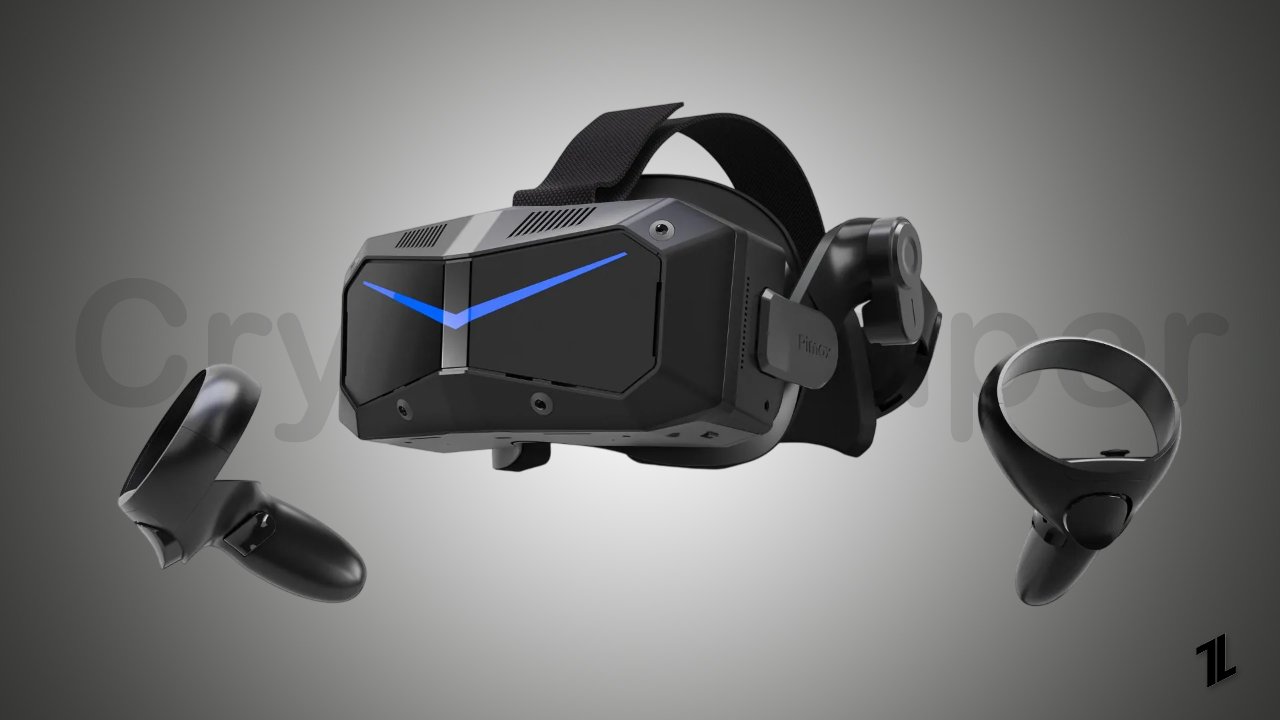
If your priority is absolutely crisp instrument readouts and detailed scenery at a distance, the Pimax Crystal Super lineup pushes pixel count hard.
However, Pimax offers both “Super” options tuned for very high pixels-per-degree and an ultrawide variant if you want more visually good cockpit immersion. These headsets are built for PC-VR, and they demand a strong GPU to show their strengths.
Key features :
Very high effective resolution and high pixels-per-degree for cockpit legibility.
Standard Super (balanced HFOV) and Ultrawide for a huge horizontal field of view.
SLAM-based inside-out tracking (no base stations required) and adjustable render targets for balancing fidelity vs. performance.
Works best with an RTX 3070+ class GPU for smooth visuals.
Exceptional image detail; instruments become readable without leaning in
The ultrawide variant gives a convincing, wraparound cockpit feel
Lots of tuning options (render scaling, FOV) for simming enthusiasts
Pricey compared with mainstream consumer headsets
Requires a powerful PC to avoid frame drops (stutters are painful in VR)
A larger field of view and pixel count mean a heavier GPU load and more time tinkering with settings
Best Pro-Level Clarity
1) Varjo Aero
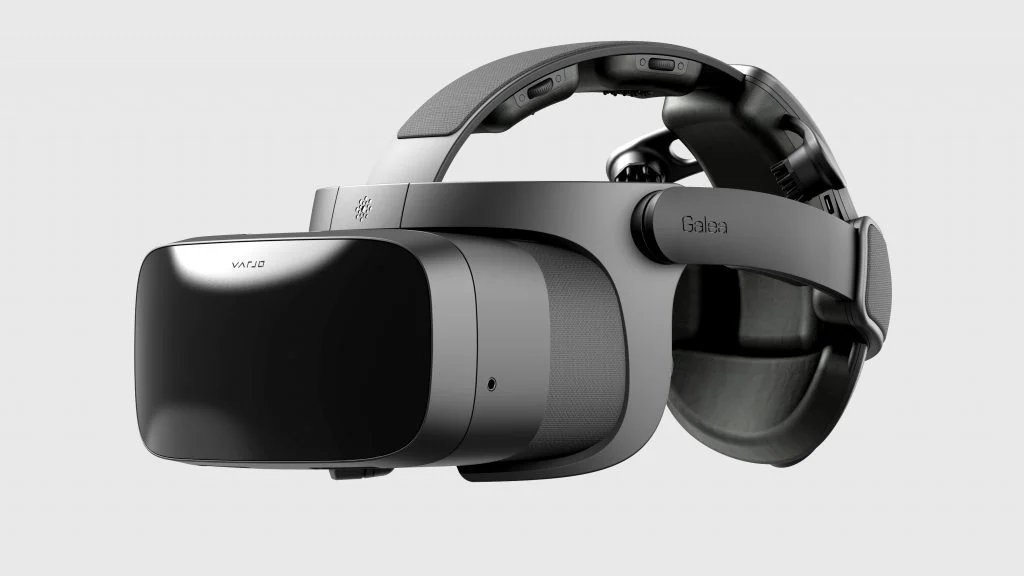
Varjo built the Aero with clarity as the north star, tiny pixels, advanced optics, and (on some models) eye-tracking. The Aero was designed with flight sim realism in mind and has long been a favorite for users who want the closest thing to real-world view fidelity inside a headset.
Key features :
Very high-resolution displays with excellent optical design for edge-to-edge clarity.
Aspheric lenses and precise optics reduce common artifacts, improving legibility of distant airports and runway signs.
Built to run with SteamVR and typical PC VR stacks; historically promoted alongside MSFS workflows.
Professional build quality
Superb text and instrument clarity—you’ll read tiny labels without squinting
Very well suited for procedural cockpit work and VFR navigatio
Historically expensive (MSRP originally around US$1,990), though Varjo has run sales and promotions at times
Enterprise/prosumer orientation means fewer consumer deals and a potentially heavier support model
Best All-Rounder for SIM & General VR
1) Meta Quest Family (Quest 3/ Quest 3S)
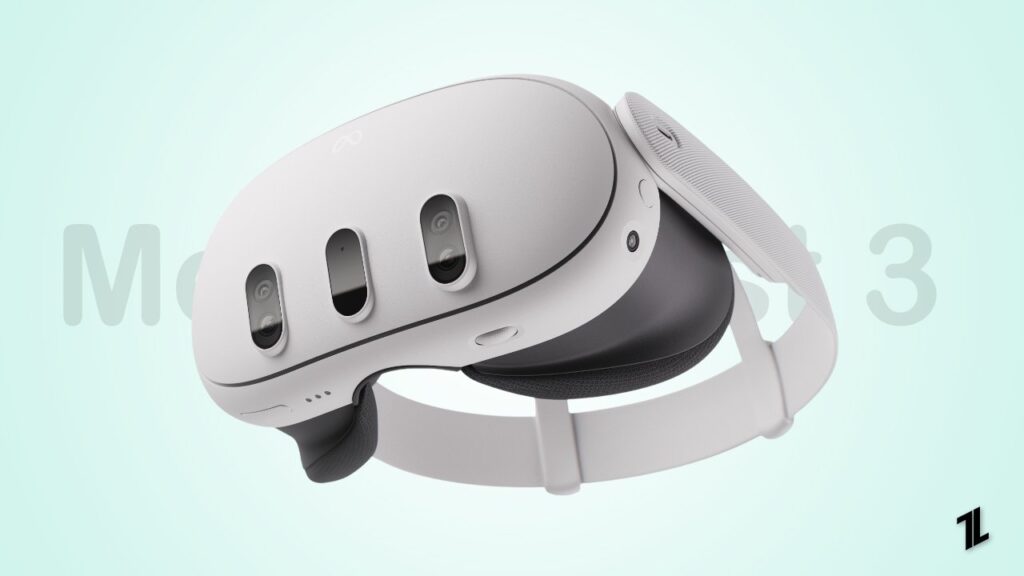
Meta’s Quest line (Quest 3 and the more budget-friendly Quest 3S) are mixed-reality standalone headsets that also double as PCVR displays via Oculus Link, Air Link, or wireless streaming.
They’re not as ultra-sharp as Varjo or Pimax at long distances, but they hit a sweet spot: good visuals, easy setup, lots of software, and the ability to run untethered for VR cockpit training or quick flights. So, if you are looking for a VR headset with one of the best displays, go with this one.
Key features :
Standalone Snapdragon XR chip for untethered play; can connect to PC for native SteamVR or Oculus PC VR.
Color passthrough/mixed reality and competitive internal hardware for the price bracket.
Strong ecosystem and easy wireless PC streaming (Air Link) for MSFS on the go.
Super accessible to set up and use
It is very versatile, as it works for games, mixed-reality apps, and PC flight sims
It comes with great value with strong hardware for the price and frequent discounts/promotions
Visual fidelity and field of view are a step down from premium PC-only headsets (fine for casual simming, less ideal if you obsess over distant terrain detail)
Wireless streaming introduces latency/quality tradeoffs unless you use a wired Link cable
Best Wide Immersion (Ultra FOV)
1) Pimax Crystal Super Ultrawide (Addon)
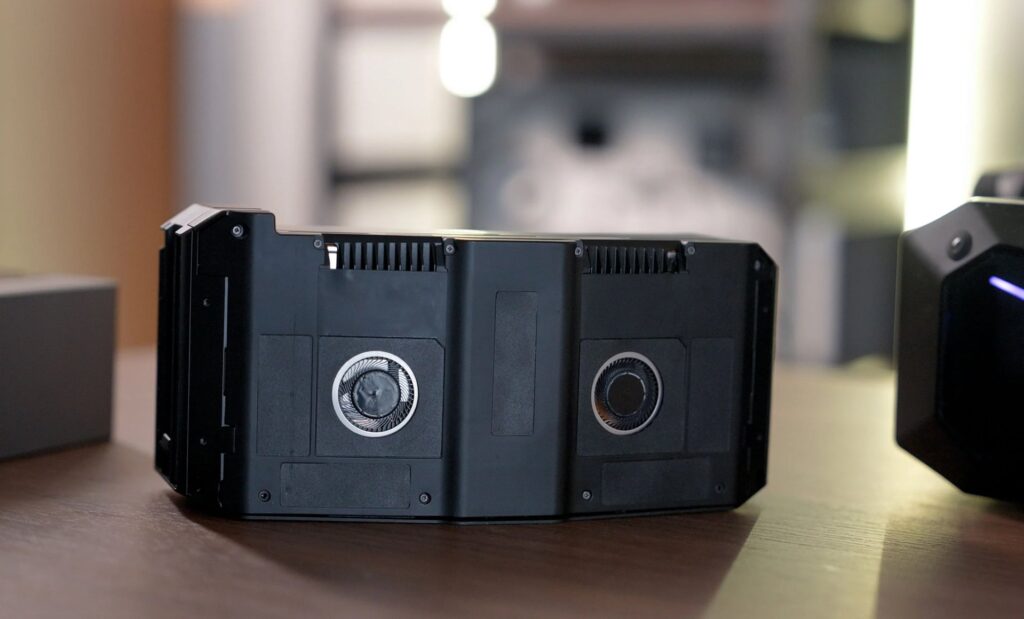
This sibling of the Crystal Super family is for pilots who want the widest horizontal field of view possible. The ultrawide optics wrap more of the cockpit and environment into your view so you can check instruments and look sideways without feeling like the world is cut off.
Note that this is an add-on ultrawide optical engine that can be attached to the current Crystal Super base.
Key features :
Very wide horizontal FOV (in Pimax’s ultrawide configurations).
Super-high effective pixel counts are retained across the wide panel to avoid the “stretchy” look some wide headsets produce.
Same PC-centric tuning options as the Crystal Super.
You feel like you’re actually sitting in the cockpit
Great for visual scanning and VFR flying where peripheral cues matter
Demands even more GPU power than non-ultrawide headsets for the same frame rate
The ultrawide view can take time to get used to; some HUD/UI elements in non-VR games may require adjustments
Best Budget/Accessible Entry For Flight Simming
1) Pico 4
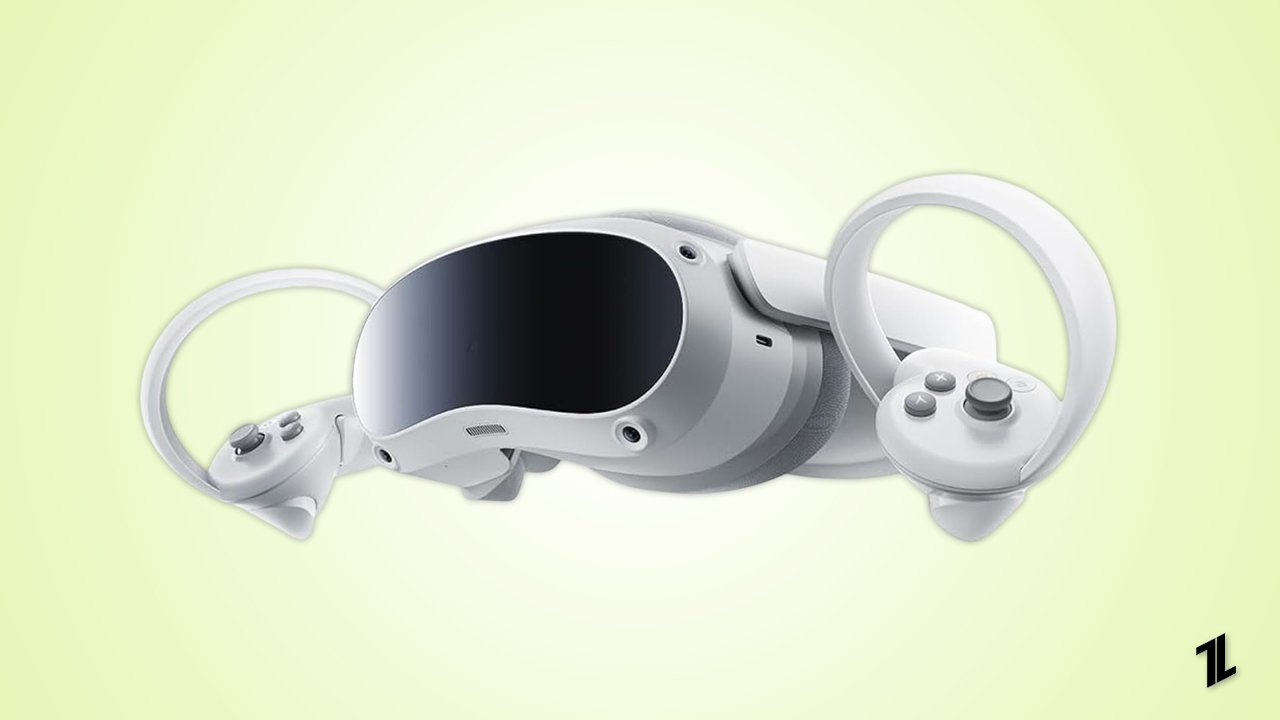
If you have a low budget and still want to experience VR flight sims without upgrading your entire PC, then Pico 4 is the best choice for you, as it is one of the most affordable, light, and good-looking VR headsets.
You can also use this as a PCVR display via wired or wireless streaming. The Pico 4 gives good per-eye resolution at just $700 and is comfortable for longer sessions.
Key features :
Lightweight design with pancake optics, decent per-eye resolution, and 90 Hz refresh capability.
Standalone operation but supports PC streaming for flight sims.
Comfortable strap and ergonomic balance for longer cockpit sessions.
Great entry price to VR flight simming
Comfortable for longer flights; easy to live with as a primary headset
Decent visuals for the price bracket
Not as sharp as high-end PC-only headsets for distant scenery
PC streaming adds a step (and potential quality loss) compared to native PCVR headsets
Best Plug & Play VR Headset
1) HP Reverb G2
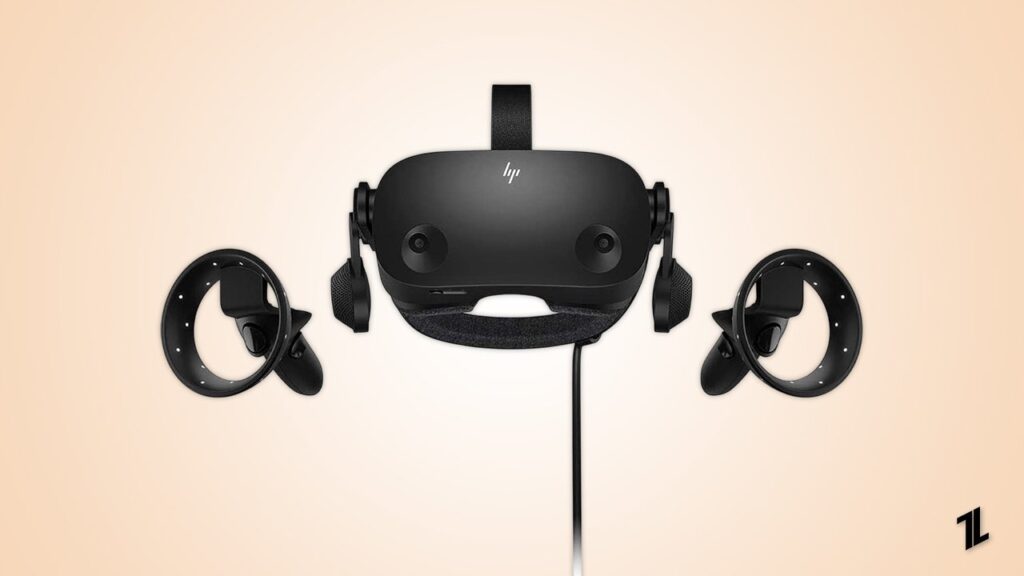
The HP Reverb G2 (developed with Valve and Microsoft) is famous for its sharp LCD panels and near-plug-and-play Windows Mixed Reality compatibility.
It’s a favorite among Microsoft Flight Simulator 2024 fans who want high instrument readability out of the box without the ultra-wide complexity of a Pimax or the enterprise price of a Varjo.
Key features :
2160×2160 per-eye resolution (mura-free LCD panels) and comfortable optics.
Strong compatibility with Windows Mixed Reality and SteamVR pipelines, easy setup for MSFS on Windows.
Valve speakers and comfortable fit for long sessions.
Excellent cockpit clarity for the price
Straightforward setup, what many simmers call “plug & play”
Good value when found on sale
Smaller FOV compared with ultrawide options
Inside-out tracking is less robust than lighthouse systems
How to Choose the Best VR Headset For Microsoft Flight Simulator 2024
If money isn’t a concern, Varjo Aero or the Pimax Crystal Super delivers the clearest cockpit visuals. For a strong balance between VR gaming and MSFS, the Meta Quest 3/3S remains the most accessible pick.
Those seeking wider immersion can opt for the Pimax Crystal Super Ultrawide from the Pimax Store. Budget flyers can start with the Pico 4 from PICO XR. For simple, reliable PC setup and solid clarity, the HP Reverb G2 from HP still holds its ground.
So, that’s all we have for you about the best Microsoft Flight Simulator 2024 VR headsets. We hope that this guide has helped you. For more info, comment below and let us know.
Enjoyed this article?
If TechLatest has helped you, consider supporting us with a one-time tip on Ko-fi. Every contribution keeps our work free and independent.
