Highlights
- Galaxy XR kicks off the new Android XR platform built by Samsung, Google, and Qualcomm.
- Features micro-OLED near-8K display, Snapdragon XR2+ Gen 2, and Gemini AI integration.
- Priced at $1,800, the headset offers high-end XR visuals and smart mixed reality experiences.
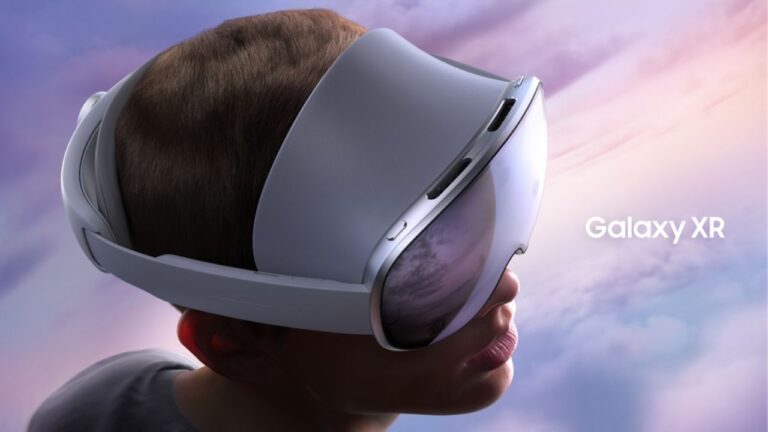
The Galaxy XR headset is finally here. It is built together by Samsung , Google , and Qualcomm , and it’s not just another gadget.
This headset marks the beginning of a whole new Android XR platform , which will power future XR and AI-based devices.
Don’t want to miss the best from TechLatest ? Set us as a preferred source in Google Search and make sure you never miss our latest.
The companies call it the start of a bigger plan that includes AR glasses and more, but for now, all the attention is on Samsung’s new headset .
Samsung, Google, and Qualcomm Unite to Launch this Powerful Galaxy XR Headset
Display and core performance
Samsung gave the Galaxy XR one of the best displays you can find in any headset. It uses micro-OLED screens that show 3,552 × 3,840 pixels per eye , which is almost 8K clarity in total.
The headset supports refresh rates of 60Hz, 72Hz, and 90Hz . It also has a 109-degree field of view , which makes everything look wide and natural.
Inside, it runs on Qualcomm’s Snapdragon XR2+ Gen 2 chip . This chip gives around 20% faster CPU and 15% faster GPU than the old one.
Samsung paired it with 16GB RAM and 256GB storage , which is enough for high-end XR work and entertainment.
The headset also supports 12 ms color video passthrough , meaning users can smoothly switch between real-world view and virtual content.
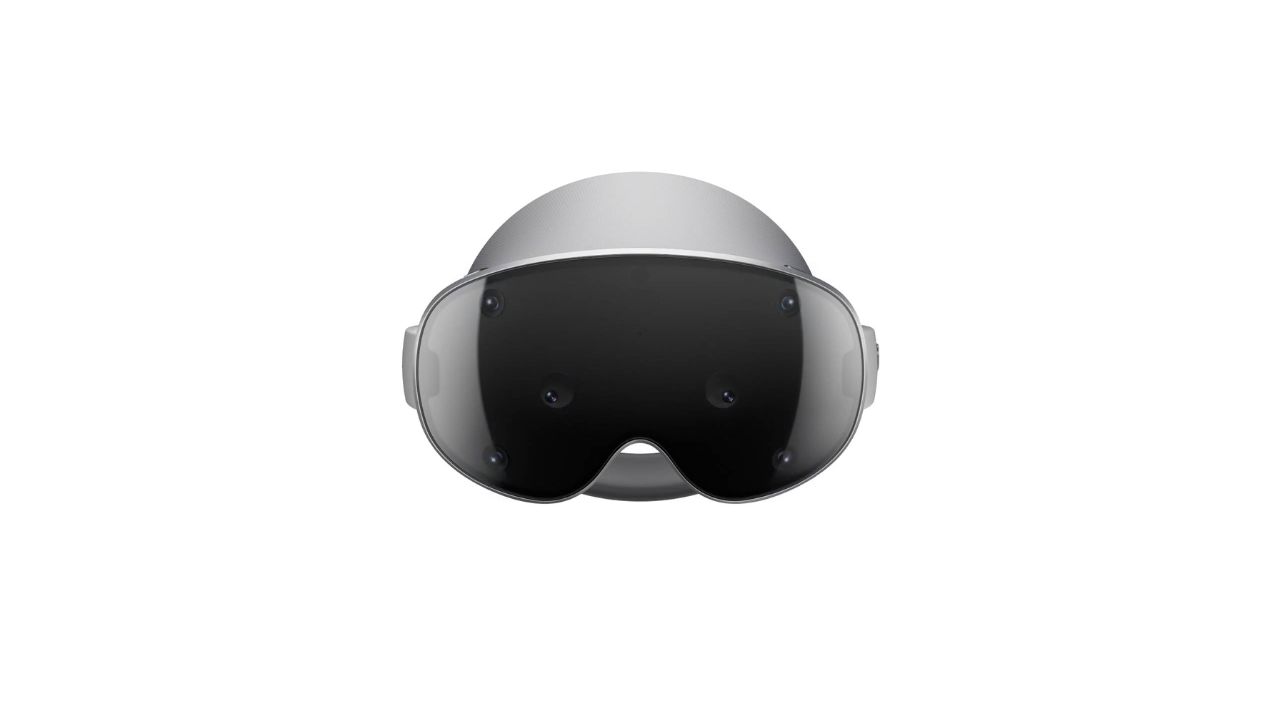
Image Credits: Samsung
Cameras and tracking
One of the main strengths of the Galaxy XR is its camera setup. It has two 6.5MP wide cameras that let you see your surroundings in real time.
This helps to create a mixed reality experience where you can see the real world while interacting with virtual elements. These cameras can also capture 3D photos and videos .
For tracking, Samsung added six external cameras that handle inside-out tracking, so you don’t need any extra sensors around you.
The headset detects your hand movements for control. Inside, there are four eye-tracking cameras that know where you’re looking and even support iris recognition for secure unlocks. It’s a smart way to mix convenience and privacy.
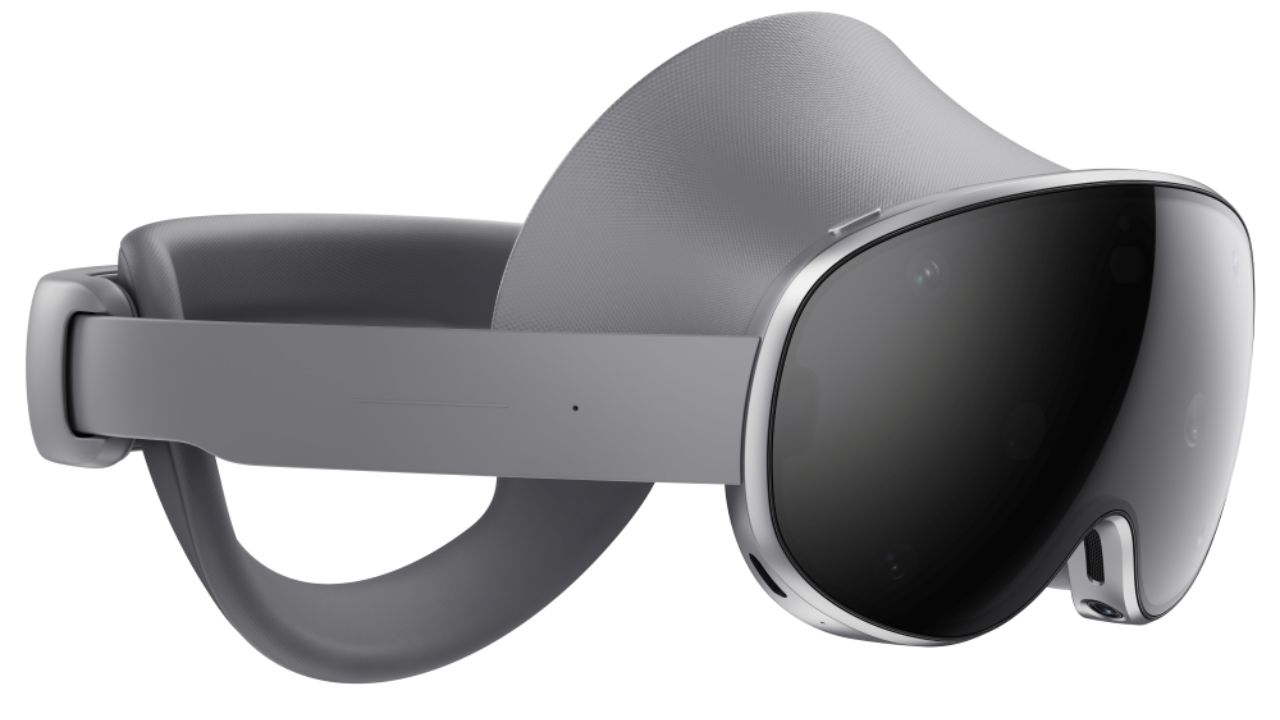
Image Credits: Samsung
Comfort and battery setup
The Galaxy XR is built for comfort even though it looks powerful. The headset weighs around 545 grams with the cushion , and Samsung spread the weight across the forehead and back to avoid pressure.
The 302-gram battery pack is separate from the headset itself, which reduces the weight on your head. It can run for about two hours per charge , which clearly shows it’s designed for short fixed sessions rather than all-day use.
Android XR and Gemini AI
This is the part that really sets the Galaxy XR apart. It runs on Android XR , an open platform that already supports regular Android apps.
The best part is the new Gemini AI from Google. The AI can actually see what you see and hear what you hear through the headset. You can talk to it naturally, ask questions about things around you, or use it to open apps, maps, and videos.
For example, you can look at a landmark and ask Gemini about it, or point at an object and start a Google search instantly.
You can watch movies in a virtual theater , manage sports streams , or use video passthrough for interacting with your surroundings. It mixes fun, work, and AI in a simple way.
- Meta Orion: A Reality Check for Apple Vision Pro
- Vision Pro – Apple’s First Spatial Computer (AR Headset)
- Why Meta Wants to Take the Lead in Robotics Software?
Price and availability
The Samsung Galaxy XR is now officially available in the United States and South Korea for $1,800 . This release is not just a big move for Samsung but also for the whole Android XR ecosystem .
The company already hinted that future devices like AI-powered glasses will come soon, in partnership with Warby Parker and Gentle Monster .
Overall, the Galaxy XR is Samsung’s serious entry into the XR world. With top-end display quality, solid performance, and Google’s Gemini AI built in, it shows what Android can do in the mixed reality space. It’s a strong start for what could become the next big step in everyday computing.
Enjoyed this article?
If TechLatest has helped you, consider supporting us with a one-time tip on Ko-fi. Every contribution keeps our work free and independent.
