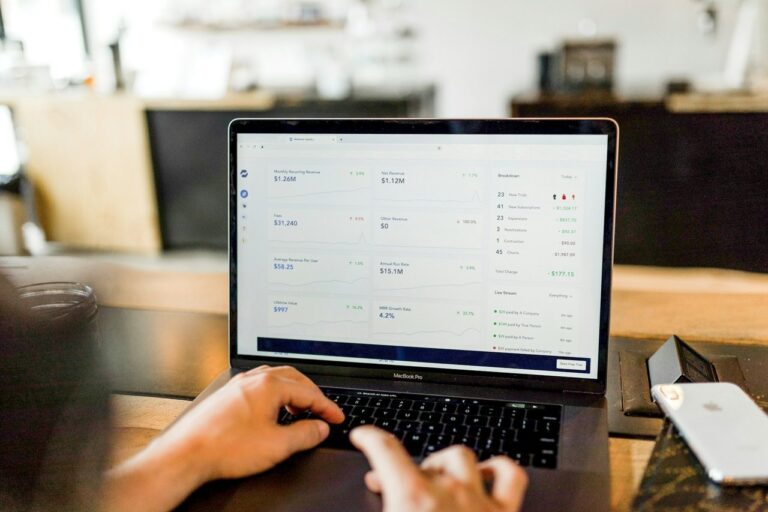
Customer behavior is one field of study that has formed part of contemporary business strategy. As the Point-of-Sale (POS) systems and Customer Relationship Management (CRM) platforms are integrated, businesses are able to gather useful information about each purchase.
This relationship allows firms to understand purchasing behaviors, enhance customer experiences, and develop specific marketing plans that lead to loyalty and revenues.
Don’t want to miss the best from TechLatest ? Set us as a preferred source in Google Search and make sure you never miss our latest.
To monitor the POS purchase activity of your customers using your CRM, it is not simply a matter of data storage to monitor the purchase activity. It is concerned with making a bridge between sales transactions and managing the long-term relationship.
The integration will assist you, regardless of whether you are operating a retail store, financial advisory company, or restaurant utilizing restaurant POS systems, to transform data into valuable customer engagement strategies.
Content Table
The Connection Between Pos And Crm Systems
A POS system documents all the transactions in a point of sale, which contains important information such as the type of product, price of purchase, and mode of payment.
Although it is certainly useful information in itself, it can be much more useful when connected with your CRM.
When the two systems interact, your CRM should be able to trace individual customer history and preferences so that you are able to determine the trends and can customize your approach to business.
To illustrate, a restaurant POS system can help identify the menu items that are most often sold, whereas the CRM can relate the findings to individual customer profiles.
Likewise, the financial industry can adopt a CRM for financial advisors in order to detect client service selections and buying patterns. Such an integrated data perspective also makes sure that any business decision is backed up with precise and practical information.
The Role Of Data Integration In Customer Tracking
The trick towards successful tracking is the ability to integrate your POS and CRM data in a seamless manner.
The details of the transactions are automatically added into customer records in a properly integrated system without necessarily having to be inputted manually. This saves as well as conserves time and helps to make sure that there is no valuable information lost.
Also, data synchronization keeps the two systems in sync, enabling you to know the customer behavior as it is happening.
Personalized marketing campaigns are also developed with the assistance of integration. E.g. When your CRM identifies a habit of buying a specific product, it may send promotional offers or loyalty points to such customers.
That direct connection between the POS transactions and the CRM engagement forms a feedback loop that builds the customer relationships further and raises the number of sale opportunities.

Photo byVitaly GarievonUnsplash
Understanding Customer Purchase Patterns
Actually, purchase history can be used to determine customer preferences and anticipate future tendencies. The CRM categorizes this information into product interest and purchase frequency as well as spending habits.
In the long run, such trends can assist you to divide your audience and come up with marketing plans that suit the unique needs of each group.
In both a retail and a dining setting, it is possible to determine the most popular products or busiest times to make decisions concerning stock and manpower.
An example of a restaurant POS system can assist in establishing the preferred menu combinations based on the taste of the customer who is a regular.
When this information is entered into your CRM, you are able to have a clear view of what is motivating you to do business with them again and where to make promotions.
Finding Solutions To Improve Customer Experience
The information of the customers obtained through POS transactions is useful not only in marketing but also in enhancing service quality.
As a CRM holds the information about the buying history of the customer, the personnel can make individual recommendations or offer assistance. As an example, a client who is used to purchasing a certain item can be made aware of newcomers or special offers.
This strategy indicates that the company cares about its customers not just as transactions, unlike other businesses. These little personalized dealings over time result in trust and loyalty.
With the financial advisor service-based professional using a CRM, it would be possible to have better or more personalized and meaningful conversations with clients based on what they have invested in or the product based on how they have chosen to invest in a specific product, which would build stronger relationships in the long term.
Making Business Strategy With Reports
Both POS and CRM systems produce elaborate reports that include performance indicators in the departments. These reports enable the decision-makers to determine the sales trends, employee performance, and level of customer satisfaction.
The data of both systems can be combined to obtain a detailed insight into the health of the business when analyzed.
In case, as an example, it is reported that some of the product promotions are more effective among particular groups of people, the managers can modify the promotion in the future.
The data that has been obtained through the restaurant POS system can be used to make changes in the restaurant menu price, inventory management, and customer preferences that are based on order trends in the hospitality industry. This evidence-based practice is beneficial to making better decisions and business performance.
Enhancing Loyalty And Retention
By monitoring customer behavior with the usage of your CRM, you will be able to create specific loyalty programs. This is because you will know the frequency and choices in purchases, and you can develop reward systems that will appeal to the customers.
Whenever the customers have a sense that they have been acknowledged and valued, there are high chances they will come back and refer others to your business.
Additionally, a CRM is able to provide timely reminders or special offers depending on previous purchases made by a consumer.
It could be a restaurant that draws people back to their restaurant to try their seasonal dishes or a financial advisor who would provide them with personalized service reviews; such gestures would improve the customer experience.
The recurring process of data gathering, analysis, and patronage supports the fact that the loyalty would only develop naturally as time goes by.
- AI Breakthroughs That Are Reshaping Marketing in 2025: From Models to Strategy
- Breaking Barriers: A Woman’s Journey to Leading Smart Factory Product Teams
- Scaling Smart, Spending Less: How Oleksandr Leonhard and DashDevs Transformed Cloud Infrastructure with AWS
Conclusion
The ability to trace the behavior of customers who buy via POS to your CRM is a priceless asset in the current market, which relies on data.
Making the relationship between the transaction data and the relationship management tools, the businesses can better understand the needs and preferences of the customers. This integration promotes customized care, effective promotion, and loyalty, which eventually leads to success in the long term.
It can be in a restaurant POS solution or a CRM system used by financial advisors; it comes down to using the daily sales data to create meaningful and relationship-based strategies that lead to repeat customers.
Enjoyed this article?
If TechLatest has helped you, consider supporting us with a one-time tip on Ko-fi. Every contribution keeps our work free and independent.
