Highlights
- Meta scam ads reportedly make up nearly $16 billion of the company’s yearly revenue.
- Internal documents reveal Facebook and Instagram push billions of risky scam ads daily.
- Regulators may take action as Meta faces pressure over profits tied to fraudulent content.

There’s been a big report from Reuters that’s shaking things up for Meta , the company behind Facebook and Instagram.
Internal company papers were leaked, and they basically say that a good amount of Meta’s money is actually coming from scam ads .
Don’t want to miss the best from TechLatest ? Set us as a preferred source in Google Search and make sure you never miss our latest.
These are the same fake promotions and fraud-filled ads that people have been complaining about for years.
The documents show that Meta earns nearly 10% of its yearly income, close to $16 billion, from these scam promotions and banned goods . That’s not a small number. It kind of shows why the problem never really goes away.
Meta scam controversy deepens as internal papers reveal billions earned from fraudulent ads
How serious is this scam problem really is?
According to the leaked data, Meta’s systems are serving around 15 billion high-risk scam ads every single day .
These aren’t just random fake ads but ones that already show signs of fraud. This proves what users have been saying for a long time: the amount of scam content on Facebook and Instagram is massive, and it’s not going down anytime soon.
What’s worse, these fake ads mess things up even for real advertisers. When scammers flood the platform, they push up ad prices for everyone else. That means small and legit businesses end up paying more just because of these fraudulent ads.
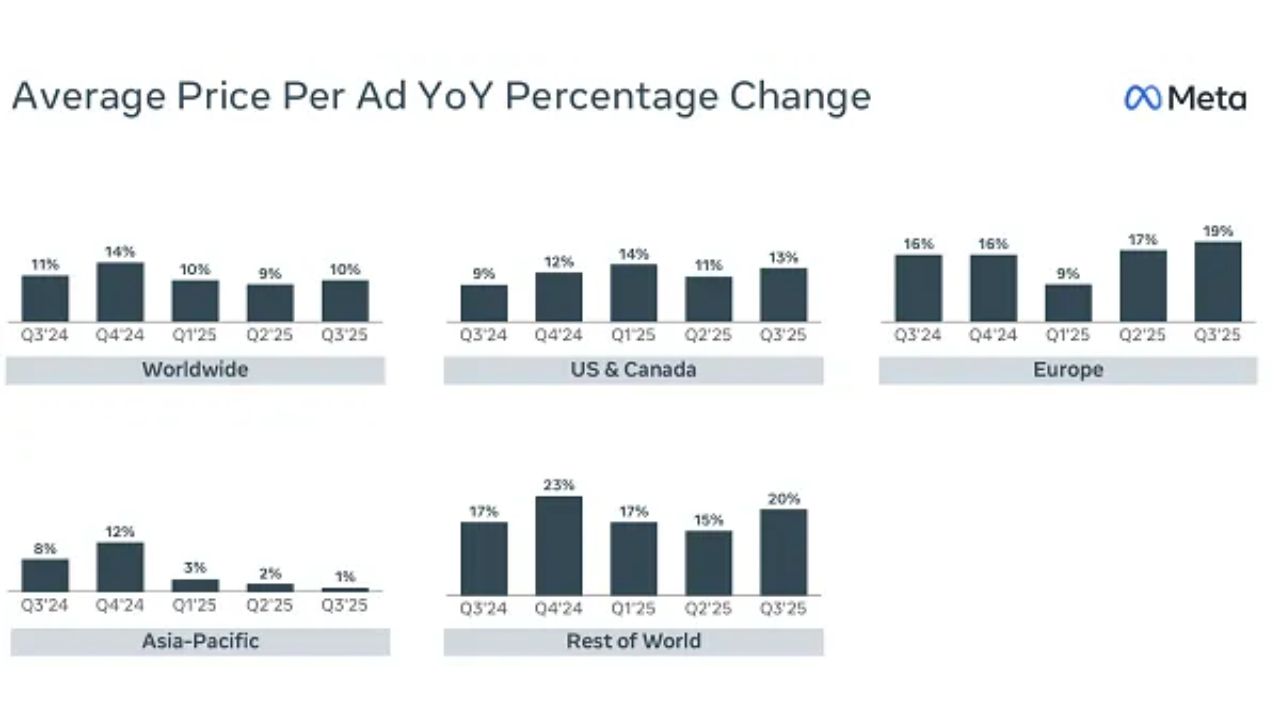
Image Credits: Meta
Why doesn’t Meta stop it completely?
The internal papers also show something interesting. It seems Meta doesn’t act on a scam unless it’s 95% sure it’s actually a scam .
So if the system is even a little unsure, that ad still runs. That high bar for removal makes it hard to clean things up completely.
Some people think Meta isn’t acting fast because there’s just too much money involved. If a big portion of its income comes from these ads, it’s not hard to see why cracking down completely would hurt its revenue.
What does this mean for users and regulators?
Scams are a global problem. Reports from the Global Anti-Scam Alliance say people around the world lost nearly $1 trillion in 2024 , and about 23% of adults had money stolen online.
Since Meta’s platforms reach billions of people, they’ve become one of the main places for scammers to find victims.
Now, regulators in different countries are watching closely. If they find out Meta knew about this and still didn’t act properly, there could be big fines coming.
The company, though, said the leaked papers were taken out of context and don’t tell the full story. Meta also claims there’s been a 58% drop in global scam reports in 2025 , which they say proves they’re making progress.
The big question that remains
Even if fines do come, many are wondering if they’ll really change anything. If the company makes around $16 billion from these scam ads every year, a penalty might just look small next to that number.
For now, the Meta scam issue still feels far from being fixed, and users keep asking if the company is serious about making its platforms safe again.
Enjoyed this article?
If TechLatest has helped you, consider supporting us with a one-time tip on Ko-fi. Every contribution keeps our work free and independent.
