Highlights
- Google Veo 3 delivers cinematic long-form videos with integrated audio.
- OpenAI Sora 2 excels in realistic, short-form video for rapid content creation.
- Choice depends on workflow needs: high-end production vs quick, accessible videos.
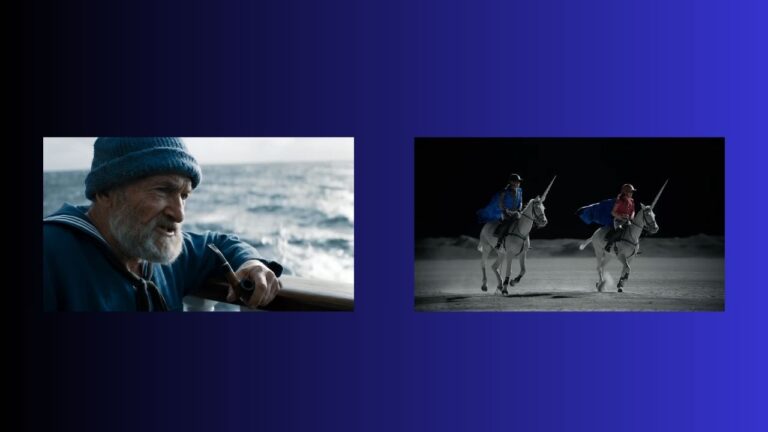
The competition in generative AI has now expanded into motion pictures. Leading the charge are Google Veo 3 and OpenAI Sora 2 , two models pushing text-to-video capabilities to new heights.
While both enable creators and businesses to produce AI -generated video, they differ fundamentally in design, purpose, and technical approach.
Google Veo 3 vs. OpenAI Sora 2: the next era of AI video
Google Veo 3: long-form cinematic videos
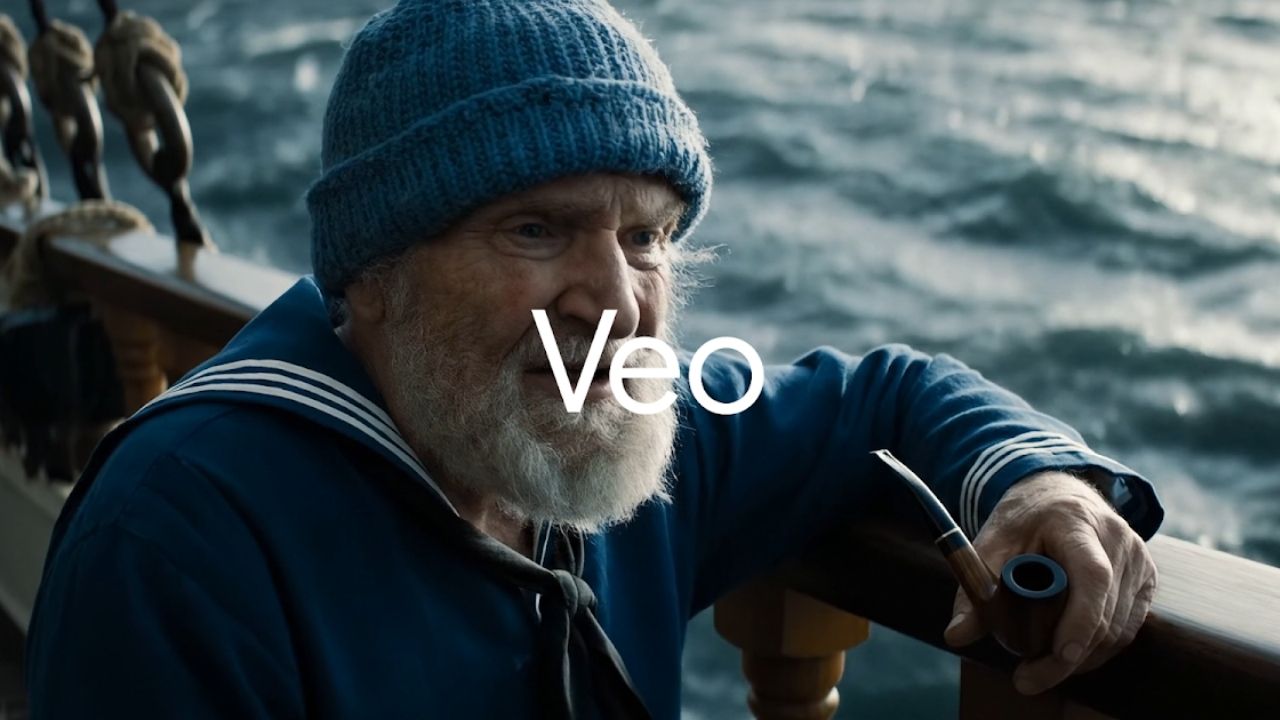
Image Credits: Google
Don’t want to miss the best from TechLatest ? Set us as a preferred source in Google Search and make sure you never miss our latest.
Developed by DeepMind, Veo 3 is built for high-fidelity, immersive experiences. Its standout feature is native audio-visual generation , producing synchronized dialogue, sound effects, and ambient audio directly with video.
Unlike earlier AI tools that required separate sound design, Veo 3’s approach streamlines production and enhances immersion.
Veo 3 also focuses on long-form content , supporting videos over a minute with high frame rates and up to 4K resolution.
Its companion system, Flow, ensures smooth transitions and scene continuity, making it ideal for cinematic storytelling, product demos, and professional-grade media production.
OpenAI Sora 2: accessible, realistic short-form
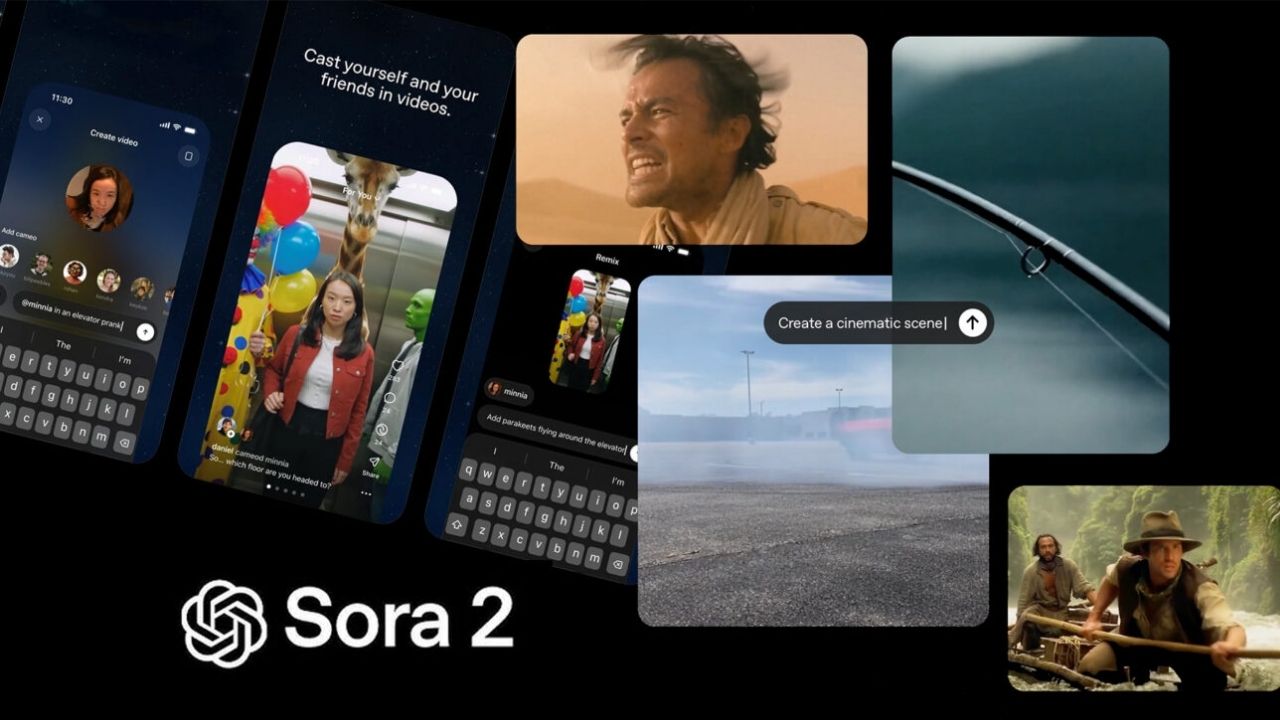
Image Credits: OpenAI
Sora 2 targets accessibility and speed. While its videos are shorter—typically 30 to 60 seconds—it shines with physics-aware motion simulation , ensuring realistic interactions, gravity, and collisions. This makes short clips visually believable and ready for rapid prototyping or social media content.
OpenAI’s ecosystem advantage means Sora 2 is widely available through ChatGPT Pro and a dedicated iOS app.
Features like the new “Cameo” tool allow users to insert their likeness into videos, while recent updates now include native audio generation, narrowing the gap with Veo 3.
Head-to-Head Google Veo 3 vs OpenAI Sora 2 comparison
Choosing the right tool
For marketing and social media , Sora 2 is perfect for short, engaging clips. For premium storytelling or long-form educational content , Veo 3’s cinematic capabilities are unmatched. Entertainment creators benefit from Veo 3’s quality, while Sora 2 is ideal for fast, imaginative concepts.
Considerations and risks
Both models face challenges like temporal consistency errors, potential biases, and copyright concerns. Developers should carefully test outputs and implement proper safeguards when using AI-generated media.
- Top AI-Powered Productivity Tools in 2025
- How to Make 3D Figurines Using Nano Banana
- Comet Browser Launches Worldwide with Free Access for All
Wrapping It All
Overall, the Google Veo 3 Vs OpenAI Sora 2 debate isn’t about a clear winner. Veo 3 excels in cinematic quality and long-form storytelling, while Sora 2 is unmatched for accessibility, speed, and short-form content.
For most creators and businesses, combining both tools strategically is the optimal approach: quick iteration now with Sora 2, and preparing for Veo 3’s high-end, immersive productions in the near future.
Enjoyed this article?
If TechLatest has helped you, consider supporting us with a one-time tip on Ko-fi. Every contribution keeps our work free and independent.
