Highlights
- Samsung’s Galaxy XR brings high-end mixed reality to a wider audience with its balanced pricing and strong AI integration.
- Apple’s Vision Pro (M5) continues to dominate the premium segment with its top-tier performance and seamless ecosystem support.
- The arrival of Samsung’s XR headset sets the stage for renewed competition and faster innovation in the extended reality market.
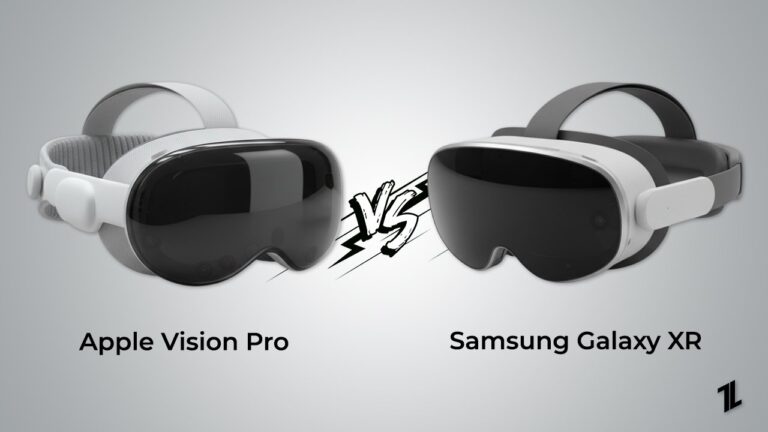
The world of mixed and extended reality just got a lot more interesting. Samsung has finally stepped into the race with its Galaxy XR headset , taking direct aim at Apple’s Vision Pro (M5) .
While both devices promise to redefine how we experience digital content, their approaches couldn’t be more different.
Don’t want to miss the best from TechLatest ? Set us as a preferred source in Google Search and make sure you never miss our latest.
So, let’s check out the key differences that these devices have in this article.
Content Table
Samsung Galaxy XR vs. Apple Vision Pro Features: Comparison
Price & Availability
Samsung clearly wants to make XR a little more reachable. The Galaxy XR starts at $1,799 , nearly half the cost of Apple’s Vision Pro , which begins at $3,499 for the base 256GB model.
That price difference alone will make a lot of people pause. Samsung’s headset comes in a single 16GB RAM + 256GB configuration, while Apple offers three storage options, up to 1TB.
Both are premium gadgets, but Samsung’s pricing makes it more of a serious consumer option rather than an exclusive tech luxury.
Design & Comfort
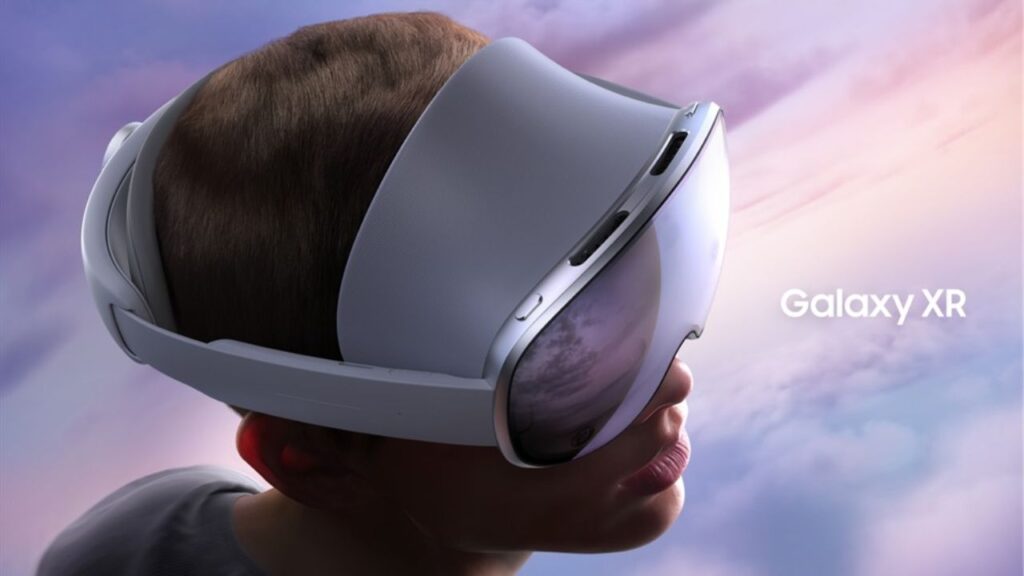
Samsung Galaxy XR
Read : Meta Orion: A Reality Check for Apple Vision Pro
At first glance, both headsets look quite similar—sleek, futuristic, and very much inspired by ski goggles. But when you actually wear them, the difference shows.
Samsung has kept things lighter at around 545 grams , which instantly makes a difference during long sessions. It uses a single back strap with a cushion for balance and comfort.
Apple’s updated Vision Pro now features dual-knit straps , improving fit and breathability compared to the original single-band design.
Both focus heavily on ergonomics and weight distribution, but early impressions suggest Samsung’s headset feels less fatiguing over time, something casual users will appreciate.
Performance & Software
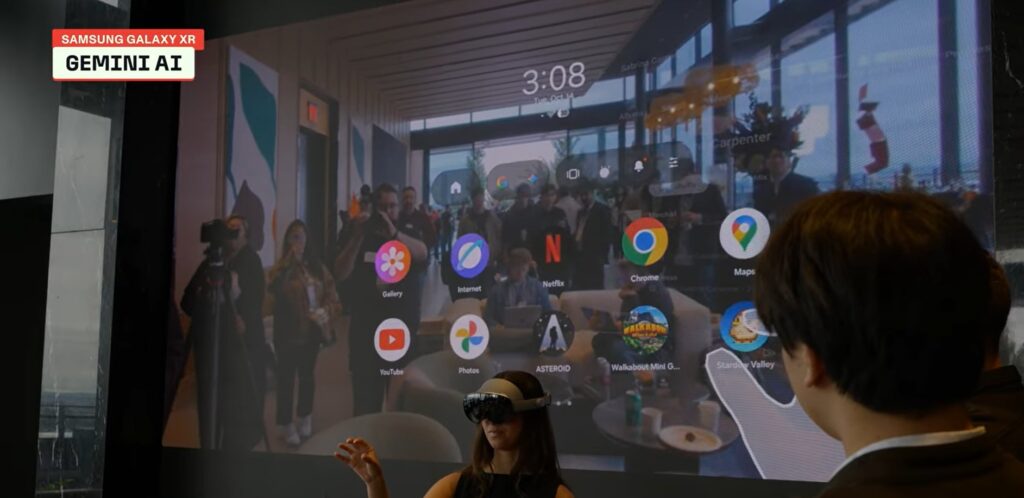
Samsung Galaxy XR
Samsung’s Galaxy XR runs on Qualcomm’s Snapdragon XR2+ Gen 2 , paired with 16GB RAM , and it operates on the Android XR platform, built in partnership with Google.
That means native access to popular Android apps and AI integration through Google Gemini , which can interact with your environment, answer context-based questions, or even perform real-time actions like scheduling or navigation.
Apple’s Vision Pro, on the other hand, uses the M5 chip , the same powerhouse architecture seen in Macs. It’s paired with the R1 chip for real-time sensor data processing, reducing latency and boosting responsiveness. The Vision Pro runs on visionOS 26 , designed to blend apps and the real world seamlessly.
Further Reading: Why are People Bored with Apple Vision Pro Already?
Battery & Usability
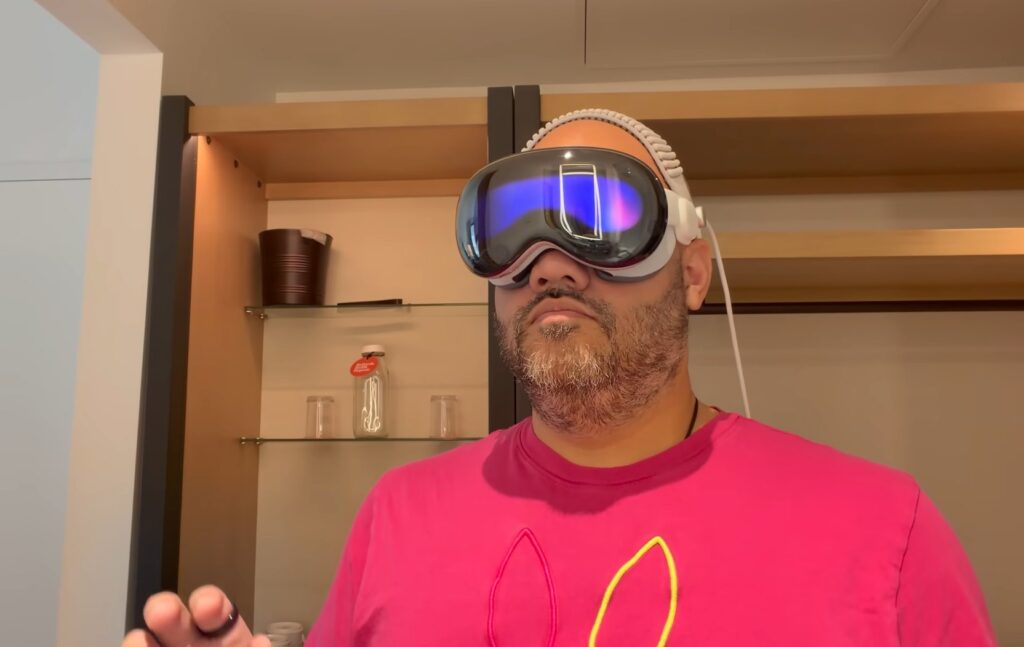
Apple Vision Pro
Both headsets rely on external battery packs , but performance is neck and neck.
- Samsung Galaxy XR: around 2 hours of general use , 2.5 hours for media playback.
- Apple Vision Pro: roughly 2.5 hours general , up to 3 hours for video playback.
Not game-changing differences here, but Apple holds a slight edge in runtime. That said, Samsung’s external pack is lighter, which could make it less of a hassle for on-the-go use.
Display & Visuals
Samsung pulled no punches on visuals. The Galaxy XR uses dual 4K micro-OLED displays , combining for over 27 million pixels with a 90Hz refresh rate. Apple’s Vision Pro features around 23 million pixels , but with a 120Hz refresh rate , making animations and scrolling feel smoother.
Samsung wins on sharpness; Apple wins on motion fluidity. Both offer rich color reproduction, immersive brightness, and top-tier clarity, the kind that makes even simple menus feel cinematic.
Cameras & Sensors
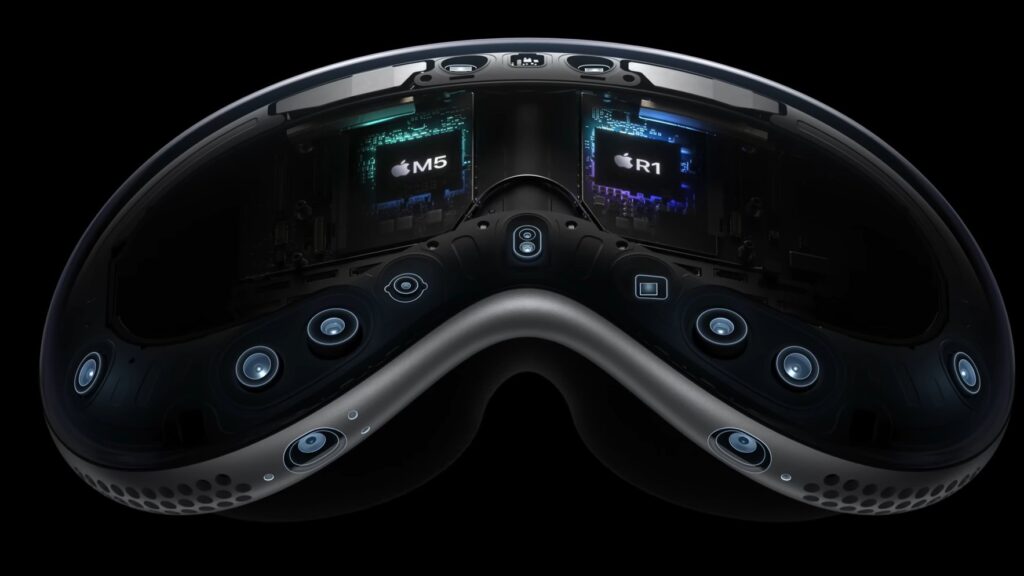
Apple Vision Pro (M5)
Samsung packs a 6.5MP multi-camera setup with 3D photo and video support, six world-facing cameras, four for eye tracking, and one depth sensor. It even uses Iris recognition for security, along with a six-microphone array and dual speakers for spatial sound.
Apple’s Vision Pro mirrors most of that but adds its signature LiDAR scanner and the TrueDepth camera for improved spatial mapping.
Apple’s avatar system, called “ Personas ,” is far more realistic than Samsung’s current facial-tracking avatars, though Samsung’s approach seems to be evolving quickly.
Ecosystem & AI Integration
Samsung’s Galaxy XR integrates deeply with the Android ecosystem and Google’s AI tools . Gemini can see what you see and help accordingly; think of it as a smarter assistant that reacts to your virtual environment.
Also, it added native support for YouTube, Maps, Google Photos, and Adobe tools , and it’s clear Samsung is going after productivity and entertainment together.
Apple’s Vision Pro, meanwhile, is all about seamless Apple integration . It works effortlessly with Macs, iPhones, and AirPods and focuses on creative workflows and professional use. With Siri and Apple Intelligence , the headset is optimized for those already invested in Apple’s ecosystem.
Which headset is cheaper, Galaxy XR or Apple Vision Pro?
The Samsung Galaxy XR is almost half the price of the Apple Vision Pro. It starts at $1,799 , while the Vision Pro begins at $3,499 for the base variant. So if pricing is your main concern, Samsung’s headset offers a more affordable entry into high-end XR.
What’s the main difference between the two headsets?
Samsung focuses on AI and Android integration , while Apple aims for premium performance and seamless ecosystem support . The Galaxy XR runs on Android XR with Google’s Gemini AI, while the Vision Pro uses Apple’s M5 chip and visionOS for ultra-smooth performance.
Which headset has better display quality?
Both look stunning, but they differ slightly. Samsung’s Galaxy XR packs 27 million pixels with a 90Hz refresh rate , offering slightly higher sharpness. Apple’s Vision Pro has 23 million pixels but a smoother 120Hz refresh rate , which helps with motion and animation clarity.
How long does the battery last on each headset?
They’re pretty close. The Galaxy XR gives you about 2 to 2.5 hours of use, while the Vision Pro lasts a bit longer, roughly 2.5 to 3 hours depending on what you’re doing. Both rely on external battery packs.
Can the Galaxy XR connect with Apple devices?
No, since it’s built on Android XR , it’s designed to work best with Samsung and Google devices. However, you might be able to use basic features through cross-platform apps like YouTube or Google Photos.
Final Thoughts
Both the Samsung Galaxy XR and Apple Vision Pro (M5) mark significant advancements in the extended reality (XR) segment, though each targets a distinct audience.
With the Galaxy XR’s entry into the market, Samsung has reenergized competition in the XR space, signaling a new phase of innovation and broader adoption in immersive technology.
So, that’s all we have for you about Galaxy XR vs Apple Vision Pro. We hope that this guide has helped you. For more info, comment below and let us know.
Enjoyed this article?
If TechLatest has helped you, consider supporting us with a one-time tip on Ko-fi. Every contribution keeps our work free and independent.
