Highlights
- eSIMs are digital SIM cards embedded in phones, while physical SIMs are removable chips.
- Only 10-15% of smartphones in India support eSIMs, and limited carriers (Airtel, Jio) offer them.
- Factors to consider include convenience, network switching frequency, device compatibility, and carrier support.
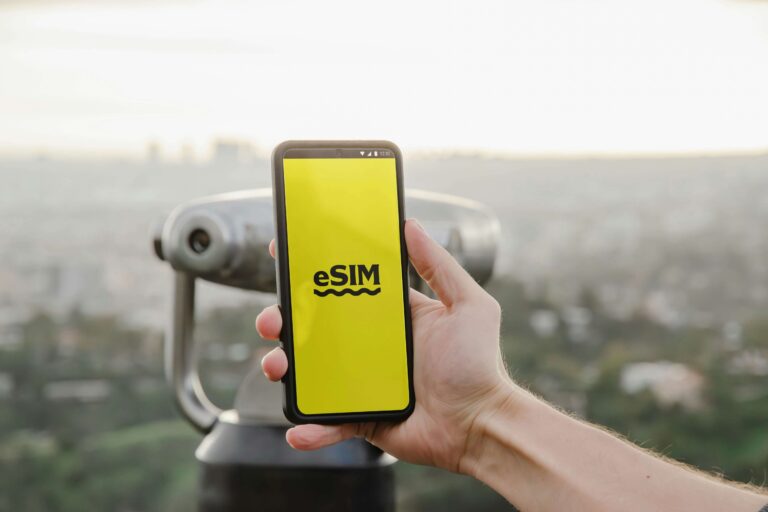
Just the other day, my friend told me that he is planning to get the iPhone 16 Pro from the USA, to which I said to him that it is great but you will have to port your physical SIM to an eSIM. He simply asked, “What’s an eSIM?” you will be shocked to know how many people are unaware of it.
Well, not after today, as you are just on the right page. Today, we will explore the differences between an eSIM and a physical SIM. So let’s dive right in.
Don’t want to miss the best from TechLatest ? Set us as a preferred source in Google Search and make sure you never miss our latest.
Content Table
Adoption of eSIM in India
Despite eSIMs being available for a while, Indian customers are still a bit reluctant to use eSIMs on their smartphones. Reports indicate that only 10-15% of smartphones in India support eSIMs, with predictions of slow growth.
If we talk about the major telecom companies in India that provide SIM cards, only Airtel and Jio offer eSIMs as of now. So you will not find a lot of smartphones with eSIM in India.
On the other hand, the USA is quite fast in adopting eSIMs. In fact, they have iPhones with only eSIM compatibility back from 2022 with the iPhone 14 series.
Know about eSIM and Physical SIM
Let’s understand the what is an eSIM and what is a physical SIM:
What’s an eSIM?
An eSIM, or embedded SIM, is a digital SIM card that is pre-installed on your smartphone. Unlike actual SIM cards, eSIMs do not need a specialized slot or a chip that can be removed and replaced.
Instead, they’re built into the phone’s hardware. The eSIM enables you to activate and transfer between providers without physically changing SIM cards, making it an extremely convenient solution.
The activation process is digital and can be done over Wi-Fi or an app offered by your cell carrier. For example, you can activate your eSIM via the carrier’s app in a matter of minutes without ever having to visit a store.
This versatility makes eSIMs especially handy for users who travel frequently and need to switch networks in different locations. An eSIM allows you to switch to a local network without having to purchase a new physical SIM card each time.
However, not every device supports eSIM yet. While flagship devices like the iPhone 14 and 15 and select Samsung Galaxy models come with eSIM capabilities, many budget and older models still rely solely on physical SIMs.
What’s a physical SIM?
A physical SIM card is the traditional, removable chip that you manually insert into a phone. The SIM card has been in use since the early days of mobile technology and contains your mobile network details, allowing your phone to connect to cellular services.
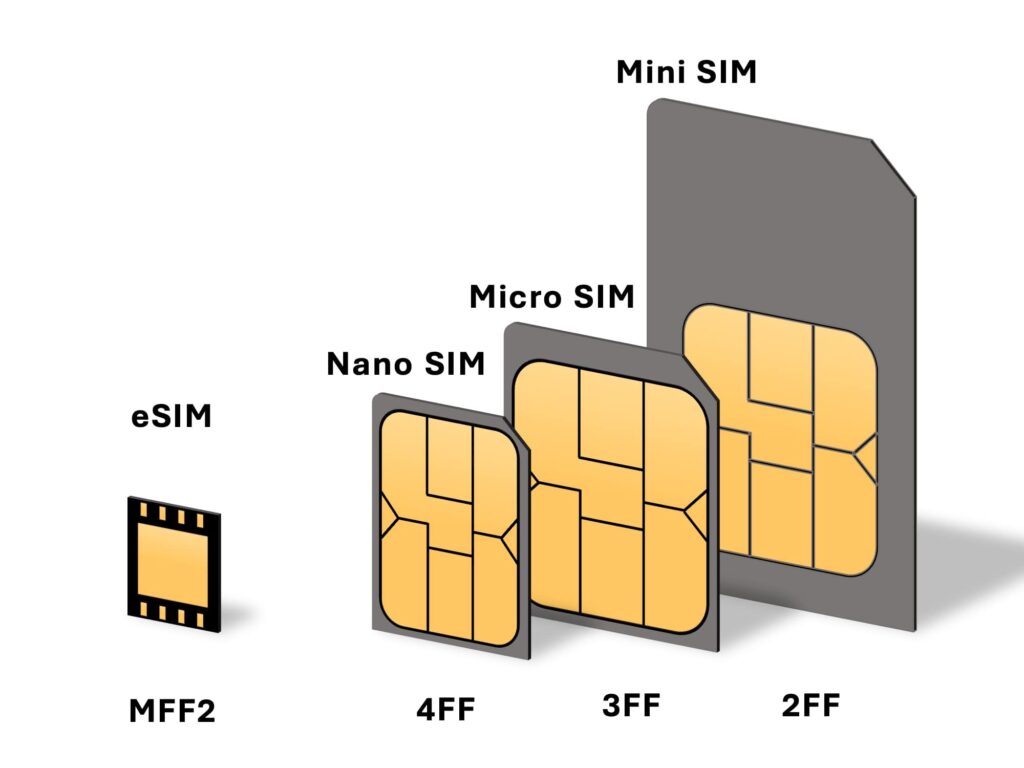
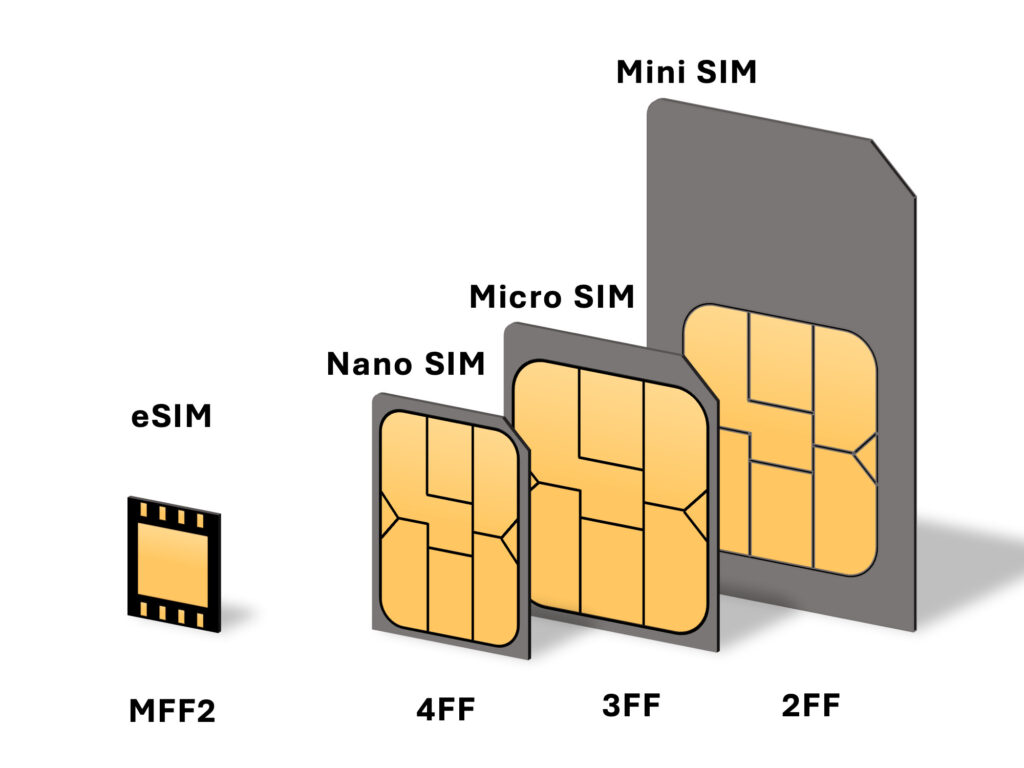
Physical SIM cards have dropped in size throughout time, from macro-SIM to micro-SIM to the now-common nano-SIM, the smallest possible. Despite the reduced size, the physical SIM’s core function has stayed unchanged.
Physical SIM cards have the advantage of being visible, allowing you to simply remove and insert them into another device if you need to transfer phones.
This can be especially useful for persons who frequently switch between devices, such as tech enthusiasts or professionals who own many phones. However, this convenience has several downsides, including the danger of losing or damaging the card.
Which one is better?
The choice between an eSIM and a physical SIM is primarily dependent on your unique requirements and preferences. Each has advantages, but the rise of eSIM technology represents a transition towards a more adaptable, digital future.
If you value convenience and security and often switch networks or travel, the eSIM may be a better alternative.
However, if you want the dependability of a physical card that can be readily removed and inserted into different devices, a real SIM card may still be the best option.
Let’s go over the advantages and disadvantages of each so you can make an informed selection.
Pros and Cons eSIM and Physical SIM
Pros of eSIM
- Ease of Switching Networks : One of the most significant advantages of eSIM technology is how easy it is to switch between carriers. You can activate and configure a new carrier profile in a matter of minutes via an app or online. No need to visit a store or wait for a new SIM card in the mail. This convenience makes eSIM ideal for international travelers or users testing different network providers.
- Dual SIM Capability : Many eSIM-enabled devices also support dual SIM functionality. This means you can have both an eSIM and a physical SIM active at the same time, allowing you to use two different numbers or networks simultaneously. This is particularly useful for people who need separate numbers for work and personal use.
- Environmental Benefits : eSIMs are more environmentally friendly because they eliminate the need for plastic cards and shipping materials. Considering that physical SIM cards are often thrown away after switching carriers, the environmental impact of eSIM is significantly lower.
- Security : Because eSIMs are embedded into the device, they are much harder to steal or clone. In the case of phone theft, a physical SIM card can be quickly removed, making it more difficult to track the device. An eSIM, however, cannot be removed, giving you more time to recover or track your stolen phone.
- Space-saving : eSIM technology frees up space inside devices, which can be used for additional features or a more streamlined design. This is particularly valuable in smaller devices like smartwatches, where every bit of space counts.
Cons of eSIM
- Switching Devices Isn’t as Easy : While switching carriers with an eSIM is simple, transferring the eSIM itself between devices can be more hectic. You have to deactivate it on your current phone before activating it on a new one, which requires a bit more effort compared to simply swapping out a physical SIM card.
- Limited Carrier Support : Not all carriers support eSIM technology, especially in certain regions or with smaller mobile operators. While major carriers like Airtel, Vodafone, and Jio support eSIM, smaller network operators may not, which limits its use.
- Device Compatibility : Although more smartphones now come with eSIM functionality, it’s still limited to premium devices like the latest iPhones or high-end Android phones. If you own a budget or an older smartphone, chances are you won’t be able to use an eSIM.
Pros of Physical SIM
- Simplicity in Switching Devices : One of the biggest advantages of a physical SIM card is how easy it is to switch devices. Simply pop out your SIM card from one phone and insert it into another. No need to deactivate or reactivate anything online.
- Wider Compatibility : Physical SIM cards work with almost every phone, regardless of the model or the carrier. This makes them a reliable choice for users who don’t have the latest high-end smartphones or who live in regions where eSIM support is limited.
- Dependability in Emergencies : Physical SIMs are often more convenient in emergency situations. If your phone dies or malfunctions, you can quickly transfer the SIM card to another device and maintain connectivity.
Cons of Physical SIM
- Risk of Damage or Loss : Physical SIM cards are prone to damage, theft, or loss. If your SIM card gets damaged, replacing it could take time, especially if you have to wait for a new one to be shipped or need to visit a store.
- Less Convenient Network Switching : Unlike an eSIM, which lets you switch carriers remotely, changing networks with a physical SIM card requires either a visit to a store or waiting for a new card to arrive via mail. This process can be time-consuming.
The Bottom Line
So that is all about eSIM vs. physical SIM. In simple words, the eSIM is directly embedded into your smartphone, and the physical SIM is the removable chip that you manually insert into a phone. eSIMs offer a lot of benefits over physical SIMs.
However, their adoption, particularly in India, is slow, and only Airtel and Jio offer eSIMs in India among major carriers. But with time, we shall see more devices with eSIM support and more eSIMs in India.
Enjoyed this article?
If TechLatest has helped you, consider supporting us with a one-time tip on Ko-fi. Every contribution keeps our work free and independent.
Highlights
- eSIMs are digital SIM cards embedded in devices, eliminating the need for physical SIM cards.
- They provide easy switching between multiple mobile plans and numbers without hassle.
- eSIMs are environmentally friendly and space-saving, catering to modern mobile needs.
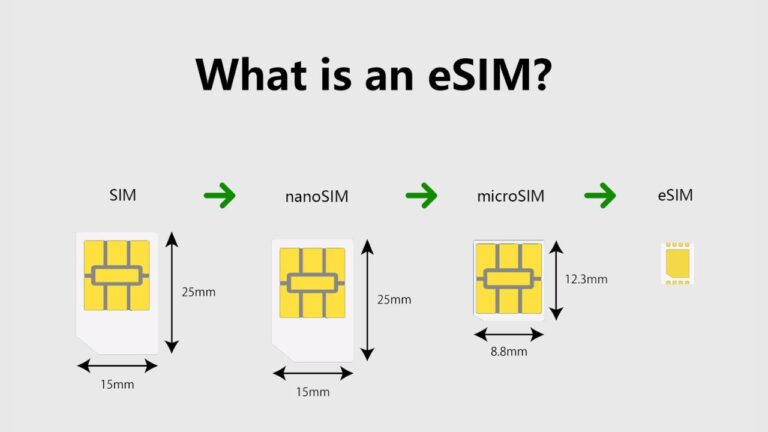
You’ve probably been hearing the murmurs of eSIM technology, but what exactly is it and why does it matter?
If you’ve ever fumbled with the minute piece of plastic that is the SIM card , trying to work out how to switch between devices or travel abroad, then you’ll want to know more.
Don’t want to miss the best from TechLatest ? Set us as a preferred source in Google Search and make sure you never miss our latest.
As this transition happens in terms of how we are connected with a mobile network, think of never again having to navigate by touch through the agony of the plastic SIM card.
Let’s dig into what eSIMs are, how they work, and why they could be the future of mobile connectivity.
Content Table
What is eSIM, and Why is it Important: Everything You Need to Know
Understanding eSIM Technology
To understand what eSIM is, we first need to consider traditional SIM cards. Those tiny, often easy-to-lose plastic cards our phones use to connect to the mobile networks of a given region, we have been using for decades.
They store our phone numbers and account information and behave like a kind of relay between the mobile carriers and our devices.
E-SIM elevates that because it embeds a digital chip right in your device so there isn’t some physical card to lose or swap.
Of course, this convenience is where the beauty of technology lies: multiple SIMs in one device – no carrying about multiple SIM cards to different places.
For one who juggles his work numbers with personal ones or travels from country to country, it is appealing. No frantic search for a SIM card at the airport, but instead download an eSIM for your destination-end.
Who can use eSIM?
Who needs eSIM? It is the most easy for anyone who uses a mobile phone! However, the following may especially need eSIM:
Frequent travelers who love new places see eSIMs as a silver lining. Imagine landing in some new country and then avoiding all those long lines waiting for a local SIM card, and after scanning the QR code you get instantly connected to the mobile network. You get to roam with data as you usually do without much ado in those attractions or journeys.
People with multiple phone numbers or who won’t work and personal numbers can use eSIMs to store all their contacts in one device.
Easy switching between different numbers separates personal from professional when needed; no need for people to carry two phones, which would make things convoluted.
If you are a gadget geek and some techie who has been itching to experience the latest technologies, you’ll be interested in eSIM.
It’s getting close to a seamless and revolutionary way of connectivity. What better conversation starter when friends want to know what that gadget on your wrist or inside that smartphone case is?
How Do eSIMs Work?
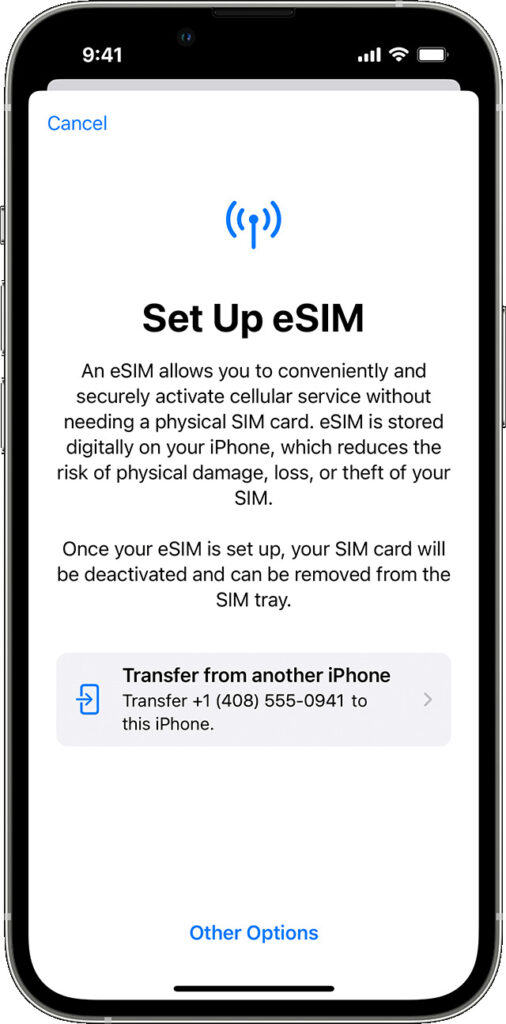
Image Credits: Apple
Getting started with eSIMs couldn’t get any easier. Once you’ve settled on which plan on which eSIM you want, your carrier will send you a QR code or a link, and you just scan that code using your eSIM-enabled device, and there you are.
A fresh plan arrives, just like getting an app. This, in essence, forms a fundamental shift away from the tried insertion of the physical card and therefore is highly efficient and fast to set up.
Such flexibility includes managing your plans. If you desire to change carriers or upgrade your plan, you can do it directly from the device, without switchover any physical aspect. Just download a new eSIM profile, and that’s it. It all works as hassle-free connectivity.
We can list down innumerable advantages that eSIM technology offers. Here are a few benefits, which may force you to switch:
Lost or broken SIM cards are a thing of the past because, in our generation, all of us have lost one of those tiny SIM cards at least once in our lifetime while thinking desperately when we could not find it. Never again will you worry about losing your connection when out and about.
In ease of switching plans, no other offers can come near to what eSIMs have to give. They take minimal time to switch to a temporary plan while traveling or a new carrier when you want to test them.
It’s just like downloading a new profile. This makes finding the best deal without all the hassle of swapping cards easier.
Avoiding the slot space of a physical SIM card would allow devices to be more slender and compact. The space freed could help accommodate larger batteries better cameras or any other innovative technologies you believe add performance to your device.
Since eSIMs nearly eradicated the wide use of physical SIM cards, they mitigate plastic waste. The more people become aware of their effects on the environment, perhaps it is a small step towards sustainability in selecting eSIM technology for your devices.
Is it suitable for you?
If you are seeking a less complicated, easier approach to dealing with your mobile connectivity, then the eSIM might be the answer.
They will provide the sort of flexibility that even the most lavish of imagination would have never fathomed from a traditional SIM card.
Not all devices or carriers support eSIMs yet, but this already seems to be rising. Most device makers are going to roll out the majority of eSIM into their products within the next few years, and as the technology builds up, it is bound to be part of the trend for future smartphones and devices.
Wrapping It All
There is a world out there where ease and efficiency are being led. So, an eSIM is certainly a step up in terms of mobile connectivity.
They eliminate the need for a physical SIM card, making our digital lives much easier with features that meet modern requirements.
Whether you travel frequently, you’re just an absolute tech freak, or you just have multiple numbers on your phone, it might just be the one you’ve been waiting for.
So check it out and see if your device supports the eSIM and leap into this new age of connectivity. It is just such an effortless change that can have such a significant impact on how you are connected.
Enjoyed this article?
If TechLatest has helped you, consider supporting us with a one-time tip on Ko-fi. Every contribution keeps our work free and independent.
