Highlights
- Valve aims to price the Steam Machine close to what it costs to build a similar gaming PC.
- The Steam machine targets smooth 4K gameplay mainly through smart upscaling.
- Early tests place its performance between the Xbox Series S and the PlayStation 5.
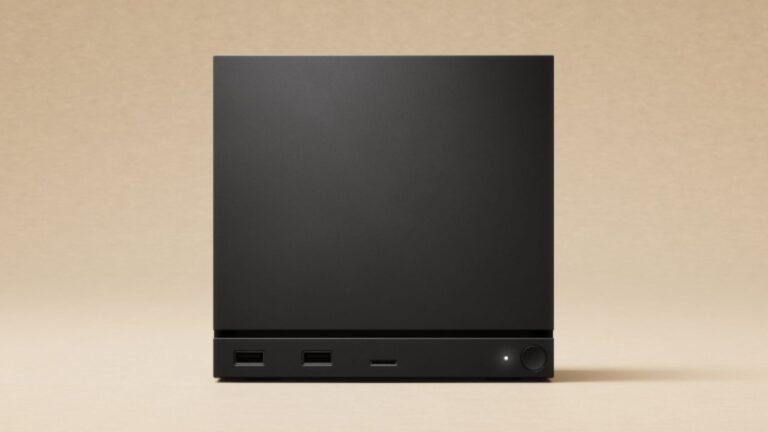
There has been a great deal of anticipation around what Valve is planning, as far as an upcoming hardware generation.
After showing the Steam machine , the new Steam Controller, and the Steam Frame, naturally, the biggest question is simple.
Don’t want to miss the best from TechLatest ? Set us as a preferred source in Google Search and make sure you never miss our latest.
How much will this thing cost? Valve has not given a number yet, but they did hint that the price would be more attractive than people thought.
This appears to be the intent here: to make the Steam machine useful for a PC player who has the capability of building a machine and for a console user who would like something all-in-one and simple.
Steam machine pricing expectations grow as Valve targets competitive PC-level performance
In an interview, Yazan Aldehayyat, a hardware engineer at Valve, offered up a slight insight into the thought process the team had surrounding cost while designing the Steam Machine.
Aldehayyat mentioned that if somebody were to take a PC and build one with the same features and similar performance, the machine would actually hold up against it on the basis of price and better overall value.
This is important to consider, as console pricing is already a struggle. The Xbox Series S goes for about 379.99 dollars for the regular model, and the PlayStation 5 digital edition is 499.99.
Obviously, if you build a PC, it almost always will end up costing you more if you build with the current-gen GPUs and SSDs. If Valve genuinely wants the Steam Machine in living rooms, it needs to beat this cost, or at least be much cheaper.
It might also have to stay below the PlayStation 5 Pro, or $749.99 at least, because the PS5 Pro on paper is still arguably a more powerful machine.
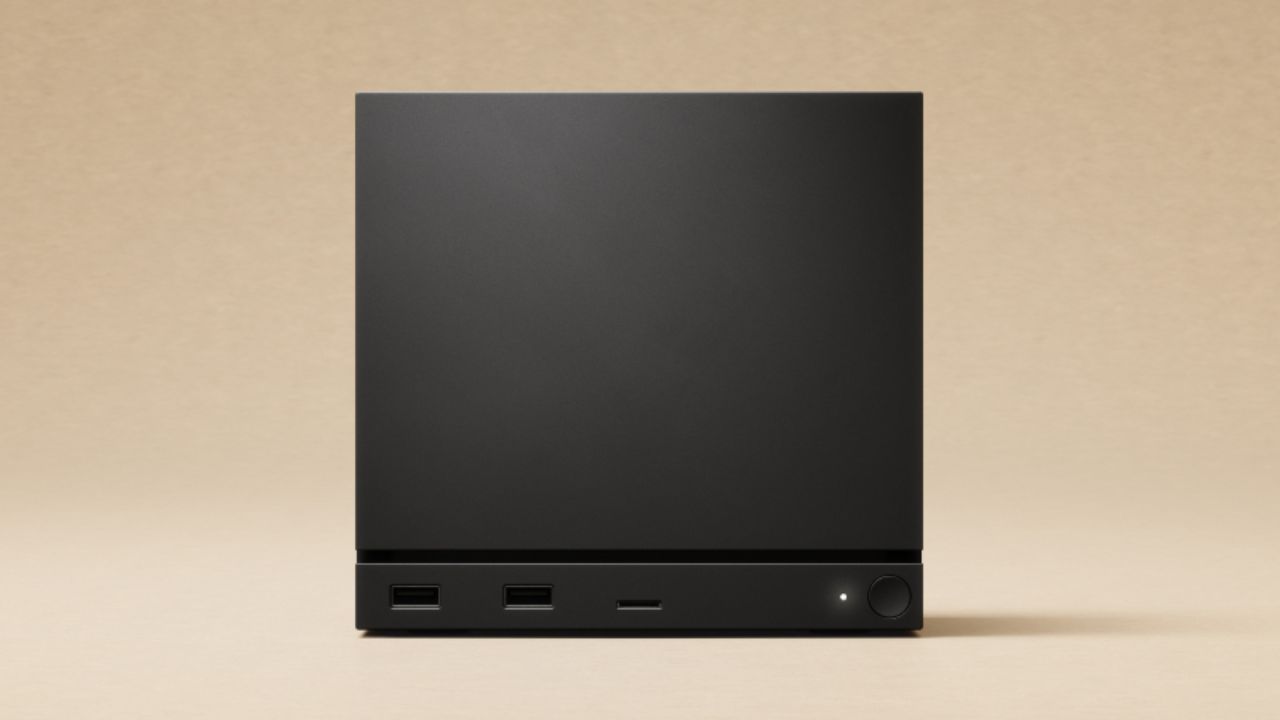
Image Credits: Steam
- Gaming Consoles vs. Gaming PCs: Why I Still Can’t Pick a Side?
- Xbox Ally X Set to Deliver Microsoft’s Most Powerful Gaming Console Yet
- PS5 vs. PS5 Slim vs. PS5 Pro: Which PS5 is Right for You?
Steam Machines were built from data gathered from the Steam hardware survey, so they wanted something that was modern and had a better feel and speed.
The CPU is a semi-custom AMD Zen 4 with six cores and twelve threads. Each core can boost up to 4.8 GHz with a 30W power draw, which is fairly efficient.
The GPU is a custom AMD RDNA3 with twenty-eight compute units and a maximum clock frequency of around 2.45 GHz. The GPU draws about 110W.
The memory is 16GB of DDR5 plus an additional 8GB of GDDR6 for VRAM. Dedicated VRAM helps with textures. Storage options include 512GB and 2TB NVMe, plus a high-speed microSD slot.
With SteamOS 3, which is Arch-based and tuned for gaming, there is DisplayPort 1.4 for 4K at 240 Hz and HDMI 2.0 for 4K at 120 Hz output.
Valve claims the Steam Machine is designed for 4K 60 Hz with upscaling in mind, but initial reports show it may depend on the game.
Digital Foundry tested Cyberpunk 2077 at 1440p 60 FPS and upscaled to 4K, but with ray-traced reflections, there was a dip to around 30 FPS.
From all of the early impressions, it stands to be somewhere between an Xbox Series S and PS5, maybe slightly more PS5.
Overall, the Steam machine has very good hardware, fast storage, and the entire Steam ecosystem behind it. So far, everything looks good, but the ultimate success is predicated on price.
If Valve can actually pull off what they hinted at and keep it cheap, this could become a strong option for players looking for console-style comfort but PC-level freedom.
Enjoyed this article?
If TechLatest has helped you, consider supporting us with a one-time tip on Ko-fi. Every contribution keeps our work free and independent.
