Highlights
- Electric vehicles and new battery chemistries are reshaping the Future of Cars and Mobility across different price ranges.
- Autonomy, software-defined cars, and smarter charging will change how people drive, own, and power vehicles.
- Mobility is moving beyond private cars, with fleets, public transit, and micromobility shaping everyday transport.
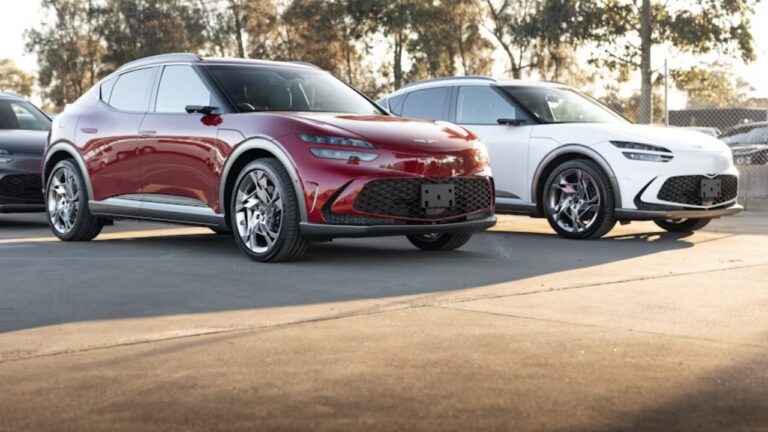
Transport is how we use our time and money every day. The future of cars and mobility matters because small technical changes add up to big differences in cost, convenience, and pollution.
When cars talk to power grids or traffic lights, our daily commute can get shorter, cheaper, and less annoying.
Don’t want to miss the best from TechLatest ? Set us as a preferred source in Google Search and make sure you never miss our latest.
Or it can get confusing if the policy and infrastructure lag behind the tech. My job here is to point out which changes are actually useful, and which ones are mostly noise.
Content Table
Everything About the Future of Cars and Mobility
Electric Vehicles are the New Baseline, but not Everywhere at Once
I say this plainly: Electric vehicles are not a fad. They are becoming the baseline for new car designs. That does not mean every driver or region will switch tomorrow. Here is what matters.
Price and total cost of ownership are the big drivers. Battery costs have fallen a lot over the past decade. Service costs are lower because electric motors and power electronics have fewer moving parts than combustion engines. But sticker prices and charging access still matter.
If you can charge at home or work, an EV is often the better economic choice already. If you cannot, then you must check the fast-charging infrastructure near you.
In cities, shared charging and workplace chargers matter a lot. In suburbs and rural areas, long range still counts.
One more thing: some slowdowns happen. Incentives end, interest rates rise, or used-EV prices dip. Those are short-term noises. The long-term direction is towards electrification, but it will be uneven and sometimes confusing.
Batteries: More Types, more Choices
This is not one-size-fits-all. Battery tech is now diverse and that is good.
- LFP (lithium iron phosphate) batteries are cheaper, safer, and last longer, but they give a bit less range. They work great for city cars, buses, and many mass-market models.
- Sodium-ion is coming into the picture for entry-level models. It is cheaper still, and promising for short-range, low-cost cars.
- High-energy chemistries and eventual solid-state cells aim at high range and faster charging for premium cars. But mass rollout of solid-state is still some years away.
Why this matters: manufacturers will pick chemistries to match the car. A cheap city runabout will use LFP or sodium-ion, and a premium long-range touring car will use higher-energy cells. For you, this means the range numbers and prices will vary by model and purpose.
A quick note on battery life and recycling. Batteries are getting better, and regulators and manufacturers are starting to treat end-of-life seriously. That means more recycling and second-life uses. Still work to do there.
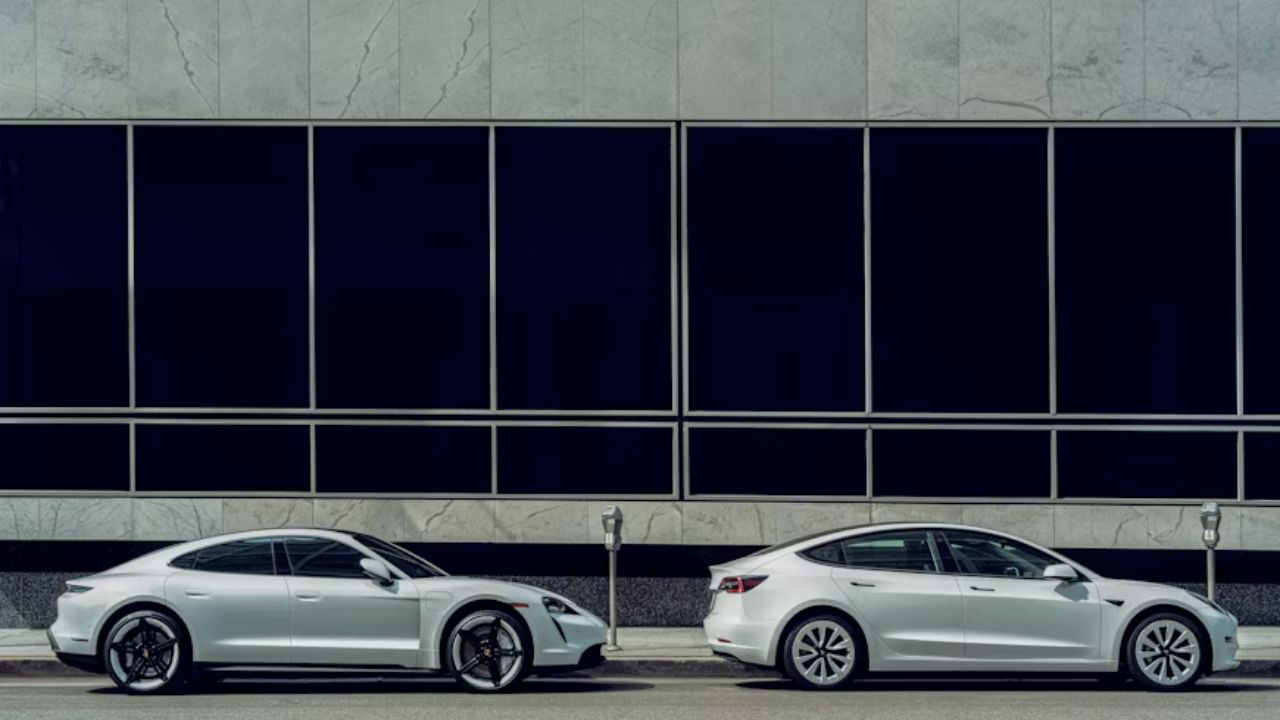
Image Credits:Roberto HonUnsplash
Charging: Simpler Plugs and Smarter Power
Charging is the part that decides whether EVs are convenient or annoying.
Two trends are worth remembering. First, plug standards are converging in many places. That reduces adapter headaches and helps networks become more universal. Second, charging is getting smarter.
Bidirectional charging is a quiet, important change. Vehicle-to-grid or vehicle-to-home means your parked vehicle can feed power back to your house in an outage, or even provide services to the local grid.
It can be useful for fleets and for households that want backup power. The tech and the rules are still catching up, but the concept works.
Practical rule for buyers: if you can install a home charger, do it. If you cannot, investigate the local fast-charger map and check reliability. In many places adapters and compatibility are still cleaning up, so confirm before you buy.
Autonomy: Useful Driver Aids Now, Limited Driverless Where it Makes Sense
Autonomy gets the loud headlines. The reality is more modest.
Most consumer cars on the road have driver assist capabilities that help with lane keeping and adaptive cruise. Those systems still require a careful driver. They make highway driving less tiring, but they are not full self-driving.
True driverless vehicles exist, but usually in specific, geofenced areas. Companies have been operating robotaxis in carefully mapped zones.
The bigger early wins for autonomy are in logistics, ports, and fixed-route trucking. Those routes are easier to automate because they are repetitive and predictable.
If you see broad headlines about “full autonomy next year,” be skeptical. The rollout will be incremental, and regulators will be strict about safety and driver monitoring.
Software-Defined Vehicles: Cars Update like Phones
Cars are becoming more like computers with wheels.
New vehicle designs consolidate many small control units into a few powerful computers. That reduces wiring, simplifies integration, and makes adding features by software updates easier.
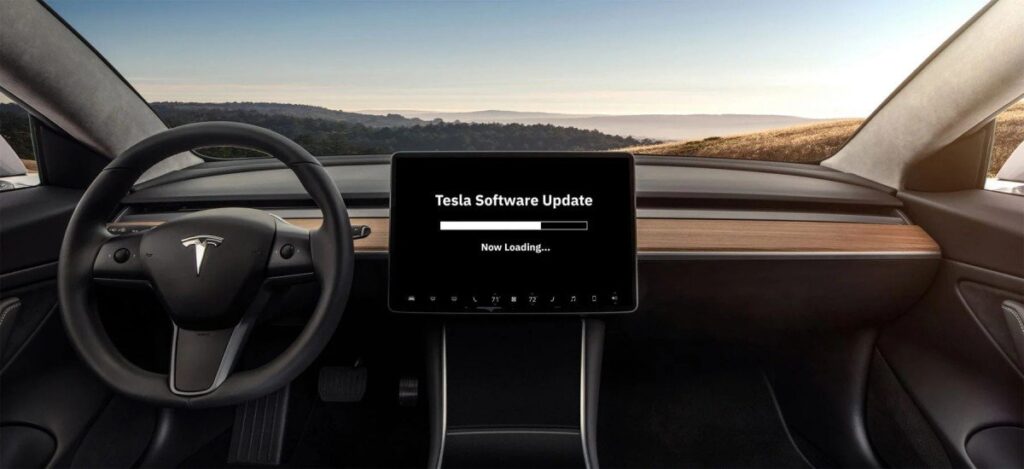
Over-the-air updates let manufacturers fix bugs or add features after sale. That is convenient, but it shifts more power to the makers.
That raises questions about who controls the car and what data gets sent back to servers. Regulations in many places now require secure update processes and better cybersecurity. That is good, because software problems can become safety problems.
My main point: expect your car to improve after you buy it. Also, check the privacy settings and update policy before you hand over long-term access.
Connectivity and V2X: Cars Talking to Roads, not Just Each Other
The promise here is simple: when cars can talk to traffic lights, work-zone signs, and emergency vehicles, traffic flows more smoothly.
Cellular-based vehicle-to-everything tech is being adopted in many regions. It can enable smarter traffic signals, better warnings about hazards ahead, and smoother merges. It is not magic, but it reduces wasted time.
City planners who implement connected signals and give priority to buses and emergency vehicles will see real benefits. For everyday drivers, the benefits come as less idling at lights and fewer last-minute slowdowns.
Safety, Cybersecurity, and Privacy: New Rules you Should Know
Safety is no longer just seatbelts and airbags. Cybersecurity and data privacy are part of vehicle safety now.
Manufacturers must show how they handle cyber risks and software updates. That is becoming a formal part of vehicle approvals.
Also, cars collect a lot of data. Some companies offer insurance discounts if you share driving telemetry. Read those contracts carefully. Opt-out options should be clear.
Driver monitoring is another piece. Regulators want strong driver-attention systems where driver aids can be misused.
That means cameras and sensors that check if you are paying attention. If a car offers hands-free features, check how it enforces attention.
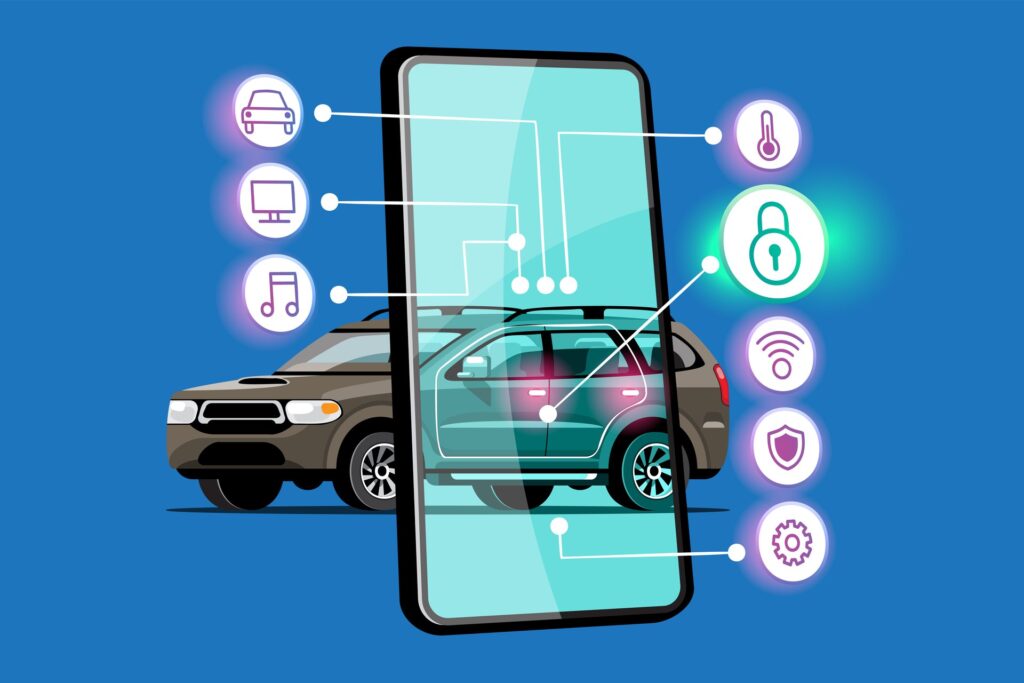
Image by jcomp onFreepik
Mobility Beyond the Private Car: Buses, Scooters, Bikes, and MaaS
The future of cars and mobility is not only about cars. Two- and three-wheelers matter a lot in many countries, and they are electrifying fast. Scooters and bikes take short trips and ease congestion in dense areas.
Public transit is getting smarter. Electric buses and demand-responsive shuttles are part of that change. A key concept to watch is Mobility-as-a-Service .
That lets you plan, book, and pay for a route that mixes bus, train, scooter, and car-share in one app. It works in a few cities already, but scaling it requires data sharing and clear rules. Politics and privacy often slow this down.
If you are a commuter, expect more options. If you plan city policy, focus on lanes, curb management, and integrated fares more than flashy tech.
Logistics and Delivery: the Quiet, Profitable Revolution
Where companies see quick returns is in logistics. Last-mile deliveries, electrified vans, and fixed-route autonomy cut costs and reduce noise in cities.
Night-time electric deliveries, better curb tech to stage pickups, and fixed-route robots or trucks can all reduce operating costs.
So logistics will likely show broad adoption of autonomy and electrification sooner than passenger robotaxis.
If you run a fleet, start with predictable duty cycles and work out depot charging. You will see the savings faster there.

Image by user6702303 onFreepik
Sustainability: End-to-End Matters
Electrifying cars helps only if the lifecycle is clean.
Materials sourcing, battery recycling, and manufacturing powered by renewables matter. There is growing pressure to track emissions and recycled content. Expect more transparency and labeling, and more rules about battery recycling and second-life use.
As a buyer, you can ask about sourcing and recycling. Transparent companies are generally more reliable partners for long-term ownership.
A Realistic 2030 Overview
Here is what I think is likely by 2030 to 2035.
- Cars are software-first. OTA updates are normal, and cybersecurity is regulated.
- EVs dominate new sales in many markets. Value cars use LFP or sodium-based batteries. Premium models use higher-energy chemistries or maybe early solid-state cells.
- Charging and payments are more seamless. Bidirectional charging shows up in homes and fleets where it makes economic sense.
- Robotaxis operate in more cities, but in edge-limited zones. The big autonomous wins are freight and fixed-route services.
- Mobility mixes are more common: households move from two big cars to one main car plus subscriptions and micromobility options.
That is not a dramatic, sudden change. It is incremental and practical, and it will vary by region.
Practical Checklist – What to do Next?
If you plan to buy a car in the next 2 to 3 years
- Plan your charging : Home or workplace charging makes EV ownership far simpler. If you can’t get that, check local fast-charger reliability.
- Check connector type : Know the common plug in your area and whether adapters are needed.
- Read the data policy : Opt out of telemetry you don’t need.
For fleet managers
- Electrify predictable routes : Shuttles and depot-based vans give fastest ROI.
- Pilot V2G where it pays : If tariffs reward grid services, vehicle-to-grid can be a revenue stream.
For city planners
Fix the boring stuff : Dedicated bus lanes, curbside management, and safe bike lanes are more effective than shiny pilots.
Set data rules : Clear privacy and data sharing rules are needed before MaaS grows big.
10+ Best Apps to Use if You Own Tesla Car
How to Use YouTube on Android Auto Using NewPipe
Inside the Engine Rebuild Shop: The Engineering Behind Engine Reconstruction
Wrapping It All
The future of cars and mobility is practical, not cinematic. The real gains come from removing friction: charging where you park, better bus lanes, clear data rules, and software updates that fix bugs. Big headlines will sometimes overpromise. That is normal.
My advice is simple. If you are buying, plan to charge first. If you manage fleets, electrify predictable routes first.
If you run a city, fix the basics and then add tech that solves real problems. That is how we get cleaner, safer, and less annoying transport.
Is buying an EV smart right now?
If you have regular access to home or workplace charging, yes. Running costs are lower and the experience is much less painful once you can charge easily. If you do not have charging access, check local stations and wait or choose a car with longer range.
Will robotaxis make my car useless?
No. Robotaxis will help in some areas, but ownership is still useful for many people. Expect a mix – cars for some trips and services for others.
What is bidirectional charging and do I need it?
It lets your car give power back to your house or grid. Good for backup power and for some fleet-city programs. For most drivers it is optional, but worth considering if you live in an area with volatile power or high energy costs.
Are EV batteries safe and recyclable?
Batteries are safer today than before. Recycling is improving and will be mandated more strongly in many places. Ask manufacturers about their recycling plans.
Which battery type should I choose?
Don’t pick by chemistry alone. Look at the car’s stated range, warranty, and the manufacturer’s reputation. For city drivers, LFP is often a great balance of cost and life.
Enjoyed this article?
If TechLatest has helped you, consider supporting us with a one-time tip on Ko-fi. Every contribution keeps our work free and independent.
Highlights
- Electric vehicles and new battery chemistries are reshaping the Future of Cars and Mobility across different price ranges.
- Autonomy, software-defined cars, and smarter charging will change how people drive, own, and power vehicles.
- Mobility is moving beyond private cars, with fleets, public transit, and micromobility shaping everyday transport.
Transport is how we use our time and money every day. The future of cars and mobility matters because small technical changes add up to big differences in cost, convenience, and pollution.
When cars talk to power grids or traffic lights, our daily commute can get shorter, cheaper, and less annoying.
Don’t want to miss the best from TechLatest ? Set us as a preferred source in Google Search and make sure you never miss our latest.
Or it can get confusing if the policy and infrastructure lag behind the tech. My job here is to point out which changes are actually useful, and which ones are mostly noise.
Content Table
Everything About the Future of Cars and Mobility
Electric Vehicles are the New Baseline, but not Everywhere at Once
I say this plainly: Electric vehicles are not a fad. They are becoming the baseline for new car designs. That does not mean every driver or region will switch tomorrow. Here is what matters.
Price and total cost of ownership are the big drivers. Battery costs have fallen a lot over the past decade. Service costs are lower because electric motors and power electronics have fewer moving parts than combustion engines. But sticker prices and charging access still matter.
If you can charge at home or work, an EV is often the better economic choice already. If you cannot, then you must check the fast-charging infrastructure near you.
In cities, shared charging and workplace chargers matter a lot. In suburbs and rural areas, long range still counts.
One more thing: some slowdowns happen. Incentives end, interest rates rise, or used-EV prices dip. Those are short-term noises. The long-term direction is towards electrification, but it will be uneven and sometimes confusing.
Batteries: More Types, more Choices
This is not one-size-fits-all. Battery tech is now diverse and that is good.
- LFP (lithium iron phosphate) batteries are cheaper, safer, and last longer, but they give a bit less range. They work great for city cars, buses, and many mass-market models.
- Sodium-ion is coming into the picture for entry-level models. It is cheaper still, and promising for short-range, low-cost cars.
- High-energy chemistries and eventual solid-state cells aim at high range and faster charging for premium cars. But mass rollout of solid-state is still some years away.
Why this matters: manufacturers will pick chemistries to match the car. A cheap city runabout will use LFP or sodium-ion, and a premium long-range touring car will use higher-energy cells. For you, this means the range numbers and prices will vary by model and purpose.
A quick note on battery life and recycling. Batteries are getting better, and regulators and manufacturers are starting to treat end-of-life seriously. That means more recycling and second-life uses. Still work to do there.
Image Credits:Roberto HonUnsplash
Charging: Simpler Plugs and Smarter Power
Charging is the part that decides whether EVs are convenient or annoying.
Two trends are worth remembering. First, plug standards are converging in many places. That reduces adapter headaches and helps networks become more universal. Second, charging is getting smarter.
Bidirectional charging is a quiet, important change. Vehicle-to-grid or vehicle-to-home means your parked vehicle can feed power back to your house in an outage, or even provide services to the local grid.
It can be useful for fleets and for households that want backup power. The tech and the rules are still catching up, but the concept works.
Practical rule for buyers: if you can install a home charger, do it. If you cannot, investigate the local fast-charger map and check reliability. In many places adapters and compatibility are still cleaning up, so confirm before you buy.
Autonomy: Useful Driver Aids Now, Limited Driverless Where it Makes Sense
Autonomy gets the loud headlines. The reality is more modest.
Most consumer cars on the road have driver assist capabilities that help with lane keeping and adaptive cruise. Those systems still require a careful driver. They make highway driving less tiring, but they are not full self-driving.
True driverless vehicles exist, but usually in specific, geofenced areas. Companies have been operating robotaxis in carefully mapped zones.
The bigger early wins for autonomy are in logistics, ports, and fixed-route trucking. Those routes are easier to automate because they are repetitive and predictable.
If you see broad headlines about “full autonomy next year,” be skeptical. The rollout will be incremental, and regulators will be strict about safety and driver monitoring.
Software-Defined Vehicles: Cars Update like Phones
Cars are becoming more like computers with wheels.
New vehicle designs consolidate many small control units into a few powerful computers. That reduces wiring, simplifies integration, and makes adding features by software updates easier.
Over-the-air updates let manufacturers fix bugs or add features after sale. That is convenient, but it shifts more power to the makers.
That raises questions about who controls the car and what data gets sent back to servers. Regulations in many places now require secure update processes and better cybersecurity. That is good, because software problems can become safety problems.
My main point: expect your car to improve after you buy it. Also, check the privacy settings and update policy before you hand over long-term access.
Connectivity and V2X: Cars Talking to Roads, not Just Each Other
The promise here is simple: when cars can talk to traffic lights, work-zone signs, and emergency vehicles, traffic flows more smoothly.
Cellular-based vehicle-to-everything tech is being adopted in many regions. It can enable smarter traffic signals, better warnings about hazards ahead, and smoother merges. It is not magic, but it reduces wasted time.
City planners who implement connected signals and give priority to buses and emergency vehicles will see real benefits. For everyday drivers, the benefits come as less idling at lights and fewer last-minute slowdowns.
Safety, Cybersecurity, and Privacy: New Rules you Should Know
Safety is no longer just seatbelts and airbags. Cybersecurity and data privacy are part of vehicle safety now.
Manufacturers must show how they handle cyber risks and software updates. That is becoming a formal part of vehicle approvals.
Also, cars collect a lot of data. Some companies offer insurance discounts if you share driving telemetry. Read those contracts carefully. Opt-out options should be clear.
Driver monitoring is another piece. Regulators want strong driver-attention systems where driver aids can be misused.
That means cameras and sensors that check if you are paying attention. If a car offers hands-free features, check how it enforces attention.
Image by jcomp onFreepik
Mobility Beyond the Private Car: Buses, Scooters, Bikes, and MaaS
The future of cars and mobility is not only about cars. Two- and three-wheelers matter a lot in many countries, and they are electrifying fast. Scooters and bikes take short trips and ease congestion in dense areas.
Public transit is getting smarter. Electric buses and demand-responsive shuttles are part of that change. A key concept to watch is Mobility-as-a-Service .
That lets you plan, book, and pay for a route that mixes bus, train, scooter, and car-share in one app. It works in a few cities already, but scaling it requires data sharing and clear rules. Politics and privacy often slow this down.
If you are a commuter, expect more options. If you plan city policy, focus on lanes, curb management, and integrated fares more than flashy tech.
Logistics and Delivery: the Quiet, Profitable Revolution
Where companies see quick returns is in logistics. Last-mile deliveries, electrified vans, and fixed-route autonomy cut costs and reduce noise in cities.
Night-time electric deliveries, better curb tech to stage pickups, and fixed-route robots or trucks can all reduce operating costs.
So logistics will likely show broad adoption of autonomy and electrification sooner than passenger robotaxis.
If you run a fleet, start with predictable duty cycles and work out depot charging. You will see the savings faster there.
Image by user6702303 onFreepik
Sustainability: End-to-End Matters
Electrifying cars helps only if the lifecycle is clean.
Materials sourcing, battery recycling, and manufacturing powered by renewables matter. There is growing pressure to track emissions and recycled content. Expect more transparency and labeling, and more rules about battery recycling and second-life use.
As a buyer, you can ask about sourcing and recycling. Transparent companies are generally more reliable partners for long-term ownership.
A Realistic 2030 Overview
Here is what I think is likely by 2030 to 2035.
- Cars are software-first. OTA updates are normal, and cybersecurity is regulated.
- EVs dominate new sales in many markets. Value cars use LFP or sodium-based batteries. Premium models use higher-energy chemistries or maybe early solid-state cells.
- Charging and payments are more seamless. Bidirectional charging shows up in homes and fleets where it makes economic sense.
- Robotaxis operate in more cities, but in edge-limited zones. The big autonomous wins are freight and fixed-route services.
- Mobility mixes are more common: households move from two big cars to one main car plus subscriptions and micromobility options.
That is not a dramatic, sudden change. It is incremental and practical, and it will vary by region.
Practical Checklist – What to do Next?
If you plan to buy a car in the next 2 to 3 years
- Plan your charging : Home or workplace charging makes EV ownership far simpler. If you can’t get that, check local fast-charger reliability.
- Check connector type : Know the common plug in your area and whether adapters are needed.
- Read the data policy : Opt out of telemetry you don’t need.
For fleet managers
- Electrify predictable routes : Shuttles and depot-based vans give fastest ROI.
- Pilot V2G where it pays : If tariffs reward grid services, vehicle-to-grid can be a revenue stream.
For city planners
Fix the boring stuff : Dedicated bus lanes, curbside management, and safe bike lanes are more effective than shiny pilots.
Set data rules : Clear privacy and data sharing rules are needed before MaaS grows big.
10+ Best Apps to Use if You Own Tesla Car
How to Use YouTube on Android Auto Using NewPipe
Inside the Engine Rebuild Shop: The Engineering Behind Engine Reconstruction
Wrapping It All
The future of cars and mobility is practical, not cinematic. The real gains come from removing friction: charging where you park, better bus lanes, clear data rules, and software updates that fix bugs. Big headlines will sometimes overpromise. That is normal.
My advice is simple. If you are buying, plan to charge first. If you manage fleets, electrify predictable routes first.
If you run a city, fix the basics and then add tech that solves real problems. That is how we get cleaner, safer, and less annoying transport.
Is buying an EV smart right now?
If you have regular access to home or workplace charging, yes. Running costs are lower and the experience is much less painful once you can charge easily. If you do not have charging access, check local stations and wait or choose a car with longer range.
Will robotaxis make my car useless?
No. Robotaxis will help in some areas, but ownership is still useful for many people. Expect a mix – cars for some trips and services for others.
What is bidirectional charging and do I need it?
It lets your car give power back to your house or grid. Good for backup power and for some fleet-city programs. For most drivers it is optional, but worth considering if you live in an area with volatile power or high energy costs.
Are EV batteries safe and recyclable?
Batteries are safer today than before. Recycling is improving and will be mandated more strongly in many places. Ask manufacturers about their recycling plans.
Which battery type should I choose?
Don’t pick by chemistry alone. Look at the car’s stated range, warranty, and the manufacturer’s reputation. For city drivers, LFP is often a great balance of cost and life.
Enjoyed this article?
If TechLatest has helped you, consider supporting us with a one-time tip on Ko-fi. Every contribution keeps our work free and independent.
