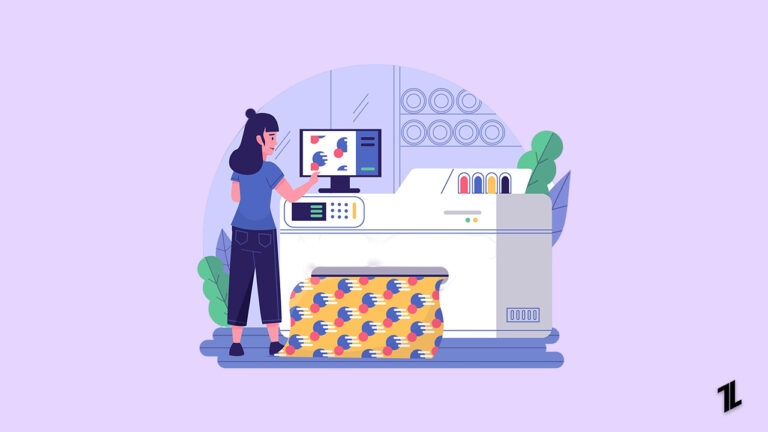
In the ever-evolving world of textile printing, Direct-to-Film (DTF) printing is making waves. With its remarkable versatility and superior print quality, DTF printing is quickly becoming the go-to method for printing on fabrics.
Whether you’re a seasoned professional or just starting out, choosing the right equipment and materials is crucial for achieving the best results.
Don’t want to miss the best from TechLatest ? Set us as a preferred source in Google Search and make sure you never miss our latest.
This comprehensive guide will walk you through the top equipment and materials essential for successful DTF printing, ensuring you can produce stunning prints with ease.
What is Direct-to-Film Printing?
Direct-to-film printing, or DTF, is a process where designs are printed directly onto a special film and then transferred onto various fabrics using a heat press.
Unlike direct-to-garment (DTG) or screen printing, DTF does not require pre-treatment of the fabric, making it a more straightforward and versatile option for many printing needs.
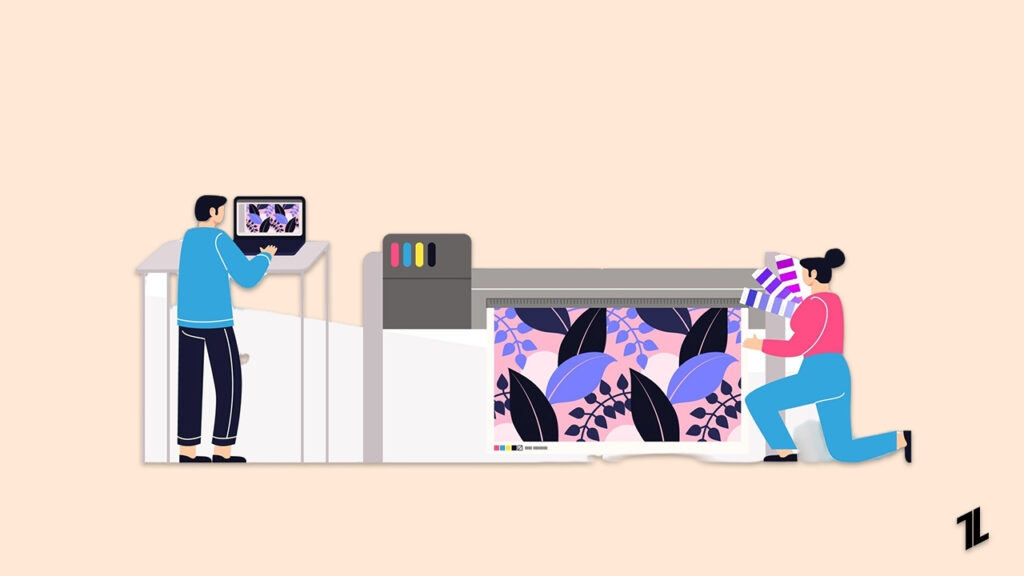
Image by freepik
Why Choose DTF Printing?
Flexibility
DTF printing allows for printing on a wide range of materials, including cotton, polyester, and blends. This flexibility is particularly beneficial for businesses looking to offer custom designs without the overhead of traditional methods.
Durability
The prints produced through DTF are highly durable, maintaining their quality even after multiple washes. This ensures customer satisfaction and repeat business.
Cost-Effectiveness
DTF printing is cost-effective, making it suitable for both small and large print runs. This means you can handle anything from small custom orders to large-scale production efficiently and affordably.
Essential Equipment for DTF Printing
DTF Printer: The Prestige XL2
The heart of any DTF printing setup is the printer. Among the various options available, the Prestige XL2 printer stands out. Known for its high resolution and speed, this printer is critical for producing vibrant, detailed prints. Key features to look for in a DTF printer include:
- Print Quality : High resolution ensures sharp, vibrant images.
- Speed : Efficient production without sacrificing quality.
- Ease of Use : User-friendly interfaces and maintenance procedures.
The Prestige XL2 excels in all these areas, making it a reliable choice for both beginners and experienced printers.
Heat Press Machine
A heat press machine is essential for transferring your design from the film to the fabric. When selecting a heat press, consider the following specifications:
- Temperature Control : Precise control to ensure consistent results.
- Pressure Settings : Adjustable pressure to accommodate different materials.
- Size : Larger presses allow for bigger prints and batch processing.
A quality heat press ensures that the design adheres properly to the fabric, resulting in durable, high-quality prints.
Powder Shaker
The powder shaker is a crucial component in the DTF process. It evenly applies adhesive powder to the printed film, which helps transfer the design to the fabric. When choosing a powder shaker, look for:
- Automation : Automated shakers ensure consistent application.
- Capacity : Sufficient capacity to handle your production needs.
- Ease of Cleaning : Regular cleaning prevents clogs and maintains quality.
Automated powder shakers streamline the process, reducing manual labor and increasing efficiency.
Curing Oven or Dryer
Curing is the final step in the DTF process, ensuring that the print is permanently bonded to the fabric. When selecting curing equipment, consider:
- Even Heat Distribution : Ensures consistent curing across the entire print.
- Adjustable Settings : Different fabrics require different curing times and temperatures.
- Size and Capacity : Match the equipment to your production volume.
Investing in a quality curing oven or dryer guarantees that your prints will be durable and long-lasting.
Image by freepik
Key Materials for DTF Printing
DTF Transfer Film
The transfer film is where your design is initially printed. There are two main types of transfer films: hot peel and cold peel.
- Hot Peel : Allows for immediate peeling after pressing, speeding up production.
- Cold Peel : Requires cooling before peeling, often resulting in a more durable transfer.
When choosing a transfer film, consider factors such as thickness and coating, as these can affect the final print quality.
DTF Ink
The quality of the ink is crucial for producing vibrant, durable prints. There are different types of DTF inks, including pigment-based and water-based options. High-quality inks are essential for achieving the best results.
- Pigment-Based Inks : Known for their durability and vibrant colors.
- Water-Based Inks : Often preferred for their eco-friendliness and ease of use.
Using high-quality inks ensures that your prints will remain bright and vibrant, even after multiple washes.
Adhesive Powder
The adhesive powder is used to bond the printed design to the fabric. There are different types of adhesive powders, including hot melt and polyester powders. The right adhesive powder ensures a strong bond and a smooth finish.
- Hot Melt Powder : Ideal for most fabrics and provides a strong bond.
- Polyester Powder : Offers flexibility and durability for various applications.
Choosing the right adhesive powder is essential for ensuring that your prints adhere properly to the fabric.
Protective Sheets
Protective sheets are used during the heat press process to prevent the design from sticking to the press. There are several types of protective sheets, including silicone and Teflon .
- Silicone Sheets : Provide a smooth, non-stick surface.
- Teflon Sheets : Durable and reusable, offering excellent protection.
Using protective sheets helps maintain the quality of your prints and prolongs the life of your heat press machine.
Additional Accessories and Tools
Cleaning Supplies
Maintaining your equipment is crucial for consistent print quality. Regular cleaning prevents clogs and ensures smooth operation.
- Cleaning Products : Use specialized cleaning solutions for your printer and heat press.
- Tools : Brushes and cloths for thorough cleaning.
Proper maintenance extends the life of your equipment and maintains print quality.
Design Software
Creating stunning designs requires good design software. Look for software that supports vector graphics and offers robust color management.
- Vector Support : Ensures designs are scalable without losing quality.
- Color Management : Accurate color representation for consistent results.
Investing in good design software enhances your ability to create detailed and vibrant designs.
Storage Solutions
Proper storage of films, inks, and powders is essential to maintain their quality. Consider organizing your materials in a way that protects them from environmental factors such as humidity and light.
- Storage Containers : Airtight containers to protect against moisture.
- Organization : Shelving and bins to keep materials accessible and protected.
Good storage practices help maintain the quality of your materials and ensure consistent print results.
Tips for Selecting the Best Equipment and Materials
Budget Considerations
Balancing cost with quality is essential when selecting equipment and materials. While it may be tempting to cut costs, investing in high-quality equipment can save you money in the long run by reducing maintenance costs and increasing production efficiency.
- Long-Term Investment : Consider the total cost of ownership, including maintenance and consumables.
- Short-Term Savings : Evaluate the immediate cost but don’t compromise on essential features.
Choosing the right balance ensures you get the best value for your investment.
Supplier Reputation
Buying from reputable suppliers ensures that you receive high-quality products and reliable customer service. Researching suppliers and reading customer reviews can help you make informed decisions.
- Customer Reviews : Look for feedback from other customers to gauge product quality and supplier reliability.
- Supplier Guarantees : Consider suppliers that offer warranties and guarantees.
A reputable supplier provides peace of mind and ensures you have access to quality products and support.
Trial and Error
Testing different brands and products can help you find the best fit for your specific needs. Keeping records of your experiences with different materials and equipment can help you refine your process over time.
- Testing : Try samples from different suppliers to evaluate quality and performance.
- Record Keeping : Document your experiences to track what works best.
Trial and error help you optimize your process and achieve the best possible results.
Conclusion
Direct-to-film printing offers a versatile and cost-effective way to produce high-quality prints on various fabrics.
By selecting the right equipment and materials, such as the Prestige XL2 printer, a reliable heat press, and high-quality inks and films, you can achieve stunning results.
Investing in good storage solutions and regular maintenance ensures consistent quality and longevity of your equipment.
Whether you’re just starting or looking to improve your existing setup, this guide provides the essential information you need to succeed in DTF printing.
Enjoyed this article?
If TechLatest has helped you, consider supporting us with a one-time tip on Ko-fi. Every contribution keeps our work free and independent.
In the ever-evolving world of textile printing, Direct-to-Film (DTF) printing is making waves. With its remarkable versatility and superior print quality, DTF printing is quickly becoming the go-to method for printing on fabrics.
Whether you’re a seasoned professional or just starting out, choosing the right equipment and materials is crucial for achieving the best results.
Don’t want to miss the best from TechLatest ? Set us as a preferred source in Google Search and make sure you never miss our latest.
This comprehensive guide will walk you through the top equipment and materials essential for successful DTF printing, ensuring you can produce stunning prints with ease.
What is Direct-to-Film Printing?
Direct-to-film printing, or DTF, is a process where designs are printed directly onto a special film and then transferred onto various fabrics using a heat press.
Unlike direct-to-garment (DTG) or screen printing, DTF does not require pre-treatment of the fabric, making it a more straightforward and versatile option for many printing needs.
Image by freepik
Why Choose DTF Printing?
Flexibility
DTF printing allows for printing on a wide range of materials, including cotton, polyester, and blends. This flexibility is particularly beneficial for businesses looking to offer custom designs without the overhead of traditional methods.
Durability
The prints produced through DTF are highly durable, maintaining their quality even after multiple washes. This ensures customer satisfaction and repeat business.
Cost-Effectiveness
DTF printing is cost-effective, making it suitable for both small and large print runs. This means you can handle anything from small custom orders to large-scale production efficiently and affordably.
Essential Equipment for DTF Printing
DTF Printer: The Prestige XL2
The heart of any DTF printing setup is the printer. Among the various options available, the Prestige XL2 printer stands out. Known for its high resolution and speed, this printer is critical for producing vibrant, detailed prints. Key features to look for in a DTF printer include:
- Print Quality : High resolution ensures sharp, vibrant images.
- Speed : Efficient production without sacrificing quality.
- Ease of Use : User-friendly interfaces and maintenance procedures.
The Prestige XL2 excels in all these areas, making it a reliable choice for both beginners and experienced printers.
Heat Press Machine
A heat press machine is essential for transferring your design from the film to the fabric. When selecting a heat press, consider the following specifications:
- Temperature Control : Precise control to ensure consistent results.
- Pressure Settings : Adjustable pressure to accommodate different materials.
- Size : Larger presses allow for bigger prints and batch processing.
A quality heat press ensures that the design adheres properly to the fabric, resulting in durable, high-quality prints.
Powder Shaker
The powder shaker is a crucial component in the DTF process. It evenly applies adhesive powder to the printed film, which helps transfer the design to the fabric. When choosing a powder shaker, look for:
- Automation : Automated shakers ensure consistent application.
- Capacity : Sufficient capacity to handle your production needs.
- Ease of Cleaning : Regular cleaning prevents clogs and maintains quality.
Automated powder shakers streamline the process, reducing manual labor and increasing efficiency.
Curing Oven or Dryer
Curing is the final step in the DTF process, ensuring that the print is permanently bonded to the fabric. When selecting curing equipment, consider:
- Even Heat Distribution : Ensures consistent curing across the entire print.
- Adjustable Settings : Different fabrics require different curing times and temperatures.
- Size and Capacity : Match the equipment to your production volume.
Investing in a quality curing oven or dryer guarantees that your prints will be durable and long-lasting.
Image by freepik
Key Materials for DTF Printing
DTF Transfer Film
The transfer film is where your design is initially printed. There are two main types of transfer films: hot peel and cold peel.
- Hot Peel : Allows for immediate peeling after pressing, speeding up production.
- Cold Peel : Requires cooling before peeling, often resulting in a more durable transfer.
When choosing a transfer film, consider factors such as thickness and coating, as these can affect the final print quality.
DTF Ink
The quality of the ink is crucial for producing vibrant, durable prints. There are different types of DTF inks, including pigment-based and water-based options. High-quality inks are essential for achieving the best results.
- Pigment-Based Inks : Known for their durability and vibrant colors.
- Water-Based Inks : Often preferred for their eco-friendliness and ease of use.
Using high-quality inks ensures that your prints will remain bright and vibrant, even after multiple washes.
Adhesive Powder
The adhesive powder is used to bond the printed design to the fabric. There are different types of adhesive powders, including hot melt and polyester powders. The right adhesive powder ensures a strong bond and a smooth finish.
- Hot Melt Powder : Ideal for most fabrics and provides a strong bond.
- Polyester Powder : Offers flexibility and durability for various applications.
Choosing the right adhesive powder is essential for ensuring that your prints adhere properly to the fabric.
Protective Sheets
Protective sheets are used during the heat press process to prevent the design from sticking to the press. There are several types of protective sheets, including silicone and Teflon .
- Silicone Sheets : Provide a smooth, non-stick surface.
- Teflon Sheets : Durable and reusable, offering excellent protection.
Using protective sheets helps maintain the quality of your prints and prolongs the life of your heat press machine.
Additional Accessories and Tools
Cleaning Supplies
Maintaining your equipment is crucial for consistent print quality. Regular cleaning prevents clogs and ensures smooth operation.
- Cleaning Products : Use specialized cleaning solutions for your printer and heat press.
- Tools : Brushes and cloths for thorough cleaning.
Proper maintenance extends the life of your equipment and maintains print quality.
Design Software
Creating stunning designs requires good design software. Look for software that supports vector graphics and offers robust color management.
- Vector Support : Ensures designs are scalable without losing quality.
- Color Management : Accurate color representation for consistent results.
Investing in good design software enhances your ability to create detailed and vibrant designs.
Storage Solutions
Proper storage of films, inks, and powders is essential to maintain their quality. Consider organizing your materials in a way that protects them from environmental factors such as humidity and light.
- Storage Containers : Airtight containers to protect against moisture.
- Organization : Shelving and bins to keep materials accessible and protected.
Good storage practices help maintain the quality of your materials and ensure consistent print results.
Tips for Selecting the Best Equipment and Materials
Budget Considerations
Balancing cost with quality is essential when selecting equipment and materials. While it may be tempting to cut costs, investing in high-quality equipment can save you money in the long run by reducing maintenance costs and increasing production efficiency.
- Long-Term Investment : Consider the total cost of ownership, including maintenance and consumables.
- Short-Term Savings : Evaluate the immediate cost but don’t compromise on essential features.
Choosing the right balance ensures you get the best value for your investment.
Supplier Reputation
Buying from reputable suppliers ensures that you receive high-quality products and reliable customer service. Researching suppliers and reading customer reviews can help you make informed decisions.
- Customer Reviews : Look for feedback from other customers to gauge product quality and supplier reliability.
- Supplier Guarantees : Consider suppliers that offer warranties and guarantees.
A reputable supplier provides peace of mind and ensures you have access to quality products and support.
Trial and Error
Testing different brands and products can help you find the best fit for your specific needs. Keeping records of your experiences with different materials and equipment can help you refine your process over time.
- Testing : Try samples from different suppliers to evaluate quality and performance.
- Record Keeping : Document your experiences to track what works best.
Trial and error help you optimize your process and achieve the best possible results.
Conclusion
Direct-to-film printing offers a versatile and cost-effective way to produce high-quality prints on various fabrics.
By selecting the right equipment and materials, such as the Prestige XL2 printer, a reliable heat press, and high-quality inks and films, you can achieve stunning results.
Investing in good storage solutions and regular maintenance ensures consistent quality and longevity of your equipment.
Whether you’re just starting or looking to improve your existing setup, this guide provides the essential information you need to succeed in DTF printing.
Enjoyed this article?
If TechLatest has helped you, consider supporting us with a one-time tip on Ko-fi. Every contribution keeps our work free and independent.
3D printing is no longer a work of fiction but a reality that is changing the world. Although technology is developing and advancing, it is already applied in various spheres.
Education is one of them. This technology offers new opportunities for educators and learners. In this article, you’ll find out how it will change students’ lives.
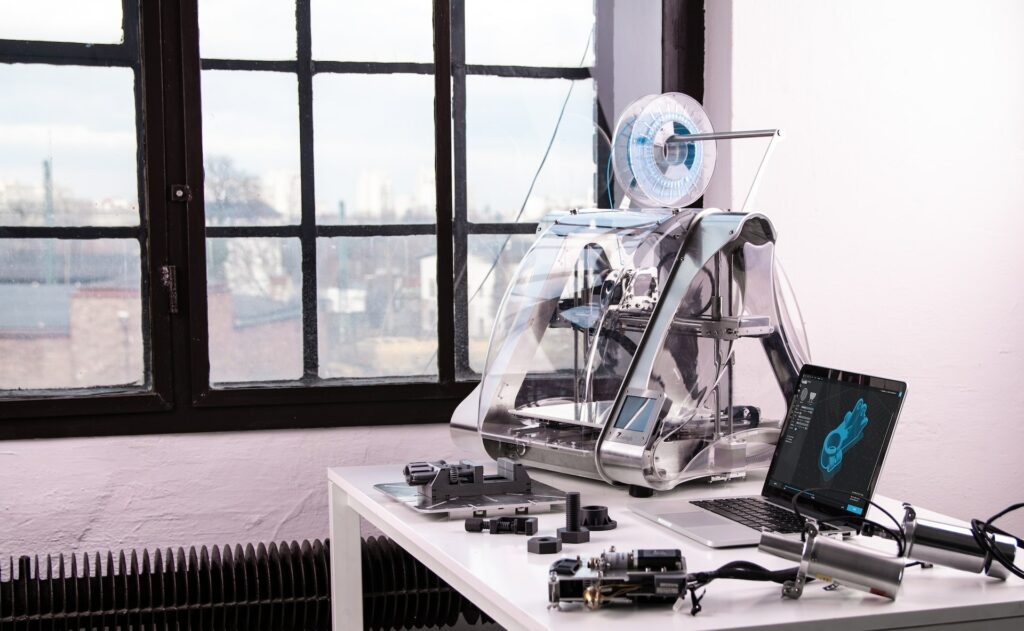
Photo byZMorph All-in-One 3D PrintersonUnsplash
Don’t want to miss the best from TechLatest ? Set us as a preferred source in Google Search and make sure you never miss our latest.
Content Table
3D in Education
Overall, it is not a secret that technology makes many educational processes easier or more effective. With accessible devices, the internet, and software development came various online learning opportunities and diversification in a curriculum, for example.
High school and college students can access vast amounts of data, educational content, and helpful resources. Platforms like WritePaper.com assist students with managing academic writing and college workload.
It delivers writing, editing, and proofreading on demand as a professional academic writing service. So, students who struggle with essays or term papers can polish their work under expert guidance. Or if you do not have enough time, you can delegate the task completely to writers to do.
All of this makes higher education flexible, accessible, and comfortable for various learners. They collaborate with professionals, develop new skills, and build confidence.
When it comes to 3D printing, there are several ways it can be used in education, namely:
- Teaching about 3D printing as a part of the curriculum;
- Incorporating it into coursework;
- Printing out different student projects and artifacts in schools and colleges;
- Printing out study materials and models that improve students’ learning opportunities.
For example, History students can print out artifacts to explore and examine. This ensures a more engaging and personalized learning experience. It also appeals to several senses, which improves information retention.
Graphic design majors can print their projects and artworks, and future biologists can bring cells, organs, or viruses to life by creating a model. 3D printing can be an educational tool and a pretty amazing learning subject.
3D Printing in Schools
Some might think that access to advanced technology is appropriate only for colleges and universities. But that is not the case here. More schools can incorporate it into their curriculum as it becomes more affordable.
For example, printing out different primary and secondary school models boost engagement, motivation, and excitement. It also allows professionals to diversify the material. With a model, you get accurate physical prototypes of real-life artifacts. They can be safely explored with an in-depth understanding of scientific concepts.
Such models can be used in the following:
- Presentations and demonstrations to boost communication and public speaking skills;
- Lessons to improve spatial learning, which is essential for overall intelligence;
- Experiments to offer physical contact and observation;
- Individual projects to endorse artistic vision and creativity.
It can be incredibly beneficial in distance learning as well. However, technology will take some time to become more affordable and accessible to different social groups.
The integration of this technology in schools makes students’ lives easier in terms of personalized and practical learning. It prepares for future work situations and allows the development of critical skills from creativity to public speaking.
3D Printing in Colleges
Colleges and universities can benefit from 3D printing even more. There is a great scope of projects it can be used for, from STEM curriculum to research opportunities.
Surely, it is almost a must for such majors as Engineering and Applied Science. But it is also advantageous for almost any specialization. Students can learn how to create printers or bring their models to reality. They might learn about various materials, dedicated modules, and computer graphics.
For example, this technology can be used in STEM in the following ways:
- Design and assembly of simple machinery with CAD programs. This prepares future engineers for real-life challenges and responsibilities;
- Creating various prototypes and testing their performance, which encourages innovation and discovery.
- Understanding complex geometry concepts and issues by using 3D-printed visualizations.
Besides that, it offers a platform to work on real-life problems. For example, when the COVID-19 pandemic started, there was a huge demand for nasal swabs. The industry came up with a solution pretty quickly. Formlabs, Northwell, and USF designed and deployed a global 3D printing solution to cover the need for nasal swabs.
Students can work on real-world issues, propose ways to resolve them with this technology, and get feedback on the idea. It is incredibly important for applying theory to practice and endorsing inventions. Maybe one such project will make a positive change, and everyone will enjoy it.
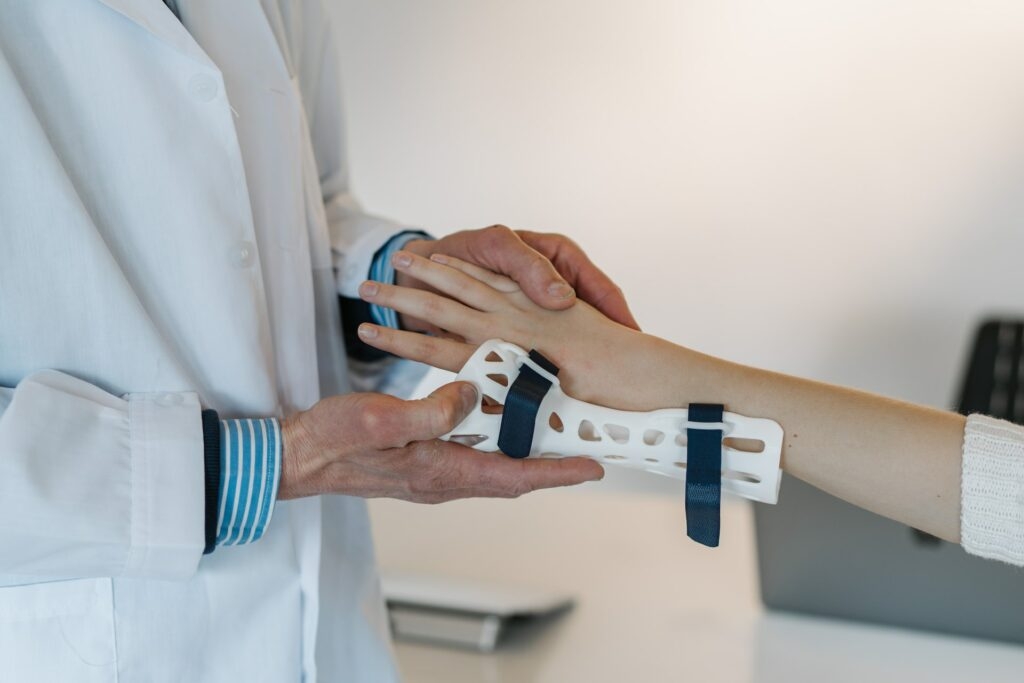
Photo byTom ClaesonUnsplash
The Main Benefits of 3D Printing in Education
Future scientists, engineers, designers, and artists will gain more growth and development opportunities. But the advantages do not stop there. With the popularization and implementation of 3D printing in more educational institutions, every student can benefit from it in several ways.
Access to Relevant Knowledge
Besides the technology, it offers an option to access previously unavailable knowledge. Students can try their own projects, learn from failures, and design unique artifacts. They can also explore copies of real-life artifacts in ways that were not possible earlier.
Creativity and Engagement
This is particularly important in school education. Bringing practical and creative aspects to the classroom helps boost engagement and excitement among students. It is much more enjoyable and fun to explore an archaeological artifact in person, even if it is a model rather than a picture.
It is quite useful to improve involvement in higher education as well. This makes the curriculum more diversified, interesting and personalized. For some learners, kinetic perception is more effective, giving them more opportunities.
Design Thinking Concepts
Design thinking is exceptionally useful for problem-solving and creating solutions to specific issues. This is necessary for the future work and life of any individual. Even if a student doesn’t become a designer, the pattern of approaching a problem will be there.
Students can analyze a specific task and come up with their solution. They can model it, print it, and test how it works. This builds confidence and resilience even if the solution fails.
Preparation for Future Employment
Access to such technologies offers the opportunity to keep up with progress and innovation. It teaches learners to work with various types of software and hardware. It complements the lessons in various subjects and develops future inventors and experts in different fields.
It helps build technological intelligence and background for all types of future employment. As 3D printing advances and integrates with different spheres, it is already relevant for many industries, such as automotive, healthcare, consumer products, construction, architecture, and even forensics.
In Summary
3D printing can change student lives by introducing new learning methods and giving more opportunities for creativity, invention, and building competencies. Its introduction in schools and colleges complements the curriculum and offers a new approach to material and a lot of experimentation possibilities.
Enjoyed this article?
If TechLatest has helped you, consider supporting us with a one-time tip on Ko-fi. Every contribution keeps our work free and independent.
