Highlights
- YouTube AI Editing changes videos without creator consent or viewer knowledge.
- Lack of transparency raises serious concerns about trust and misinformation.
- Platforms quietly altering content shift control away from creators.
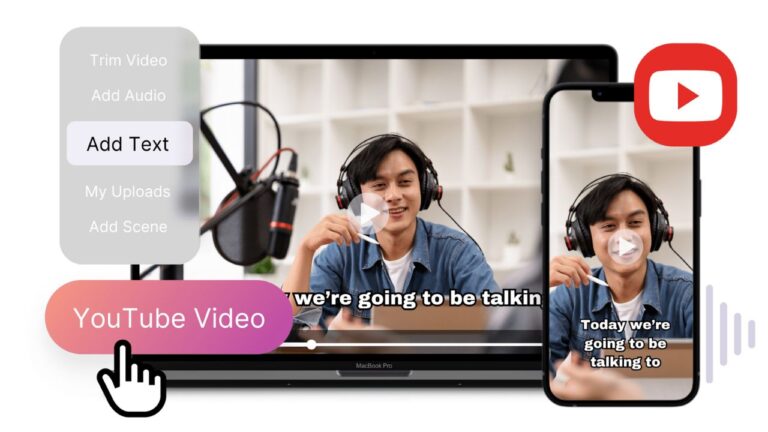
What’s happening? YouTube AI editing is being talked about everywhere because the platform started using AI tools to improve videos by making them clearer, reducing noise, and fixing blur.
Sounds good on paper, but the problem is, they did it without asking the creators and without letting viewers know.
Don’t want to miss the best from TechLatest ? Set us as a preferred source in Google Search and make sure you never miss our latest.
This has turned into a bigger discussion about who controls content online and whether platforms are being honest with people using them.
YouTube AI Editing Sparks Debate on Consent and Transparency
The Issue With Invisible Changes
It’s not the first time content has been changed without consent. For years magazines edited pictures to make them look better.
There was even a controversy when Kate Winslet’s waist was slimmed down on a cover photo without her approval.
Even today, people on social media put filters on their own photos, but that’s a choice. The main difference with YouTube AI editing is that creators don’t get to choose. The platform makes the edit, and no one even knows about it.
TikTok had a similar issue in 2021 when some Android users had a beauty filter added to their videos automatically. So it looks like this is becoming a pattern with platforms silently changing how content appears.
Why Is This a Problem?
The biggest concern is disclosure. If AI is changing videos and people don’t know, then they can’t really tell what is original and what isn’t.
This is not only about visuals. There have been cases of AI-generated books sold under the names of real authors without their permission, which affected their reputations.
Research has shown that being open about AI use can actually build trust. But some companies prefer to stay quiet, maybe because they think people will trust less or stop engaging if they know AI is behind it.
The result is that misinformation becomes harder to deal with since there’s no clear line between real and altered.
Image Credits: YouTube
What Happens Next?
As AI keeps improving, it’s only going to be harder to spot what is real. Detection tools exist, but they are always behind the technology. At the end of the day, users are the ones who have to double-check and confirm information themselves.
So, in short, this is not just about one feature. It’s about trust. If platforms like YouTube keep making changes quietly, it will damage the relationship between creators, viewers, and the platform itself.
The debate over this is just the start, and as AI keeps moving forward, these issues will only get more complicated. Let me know what you think about this in the comment section.
Enjoyed this article?
If TechLatest has helped you, consider supporting us with a one-time tip on Ko-fi. Every contribution keeps our work free and independent.
